


Every February my phone fills up with the same question from friends who barely watch rugby the other ten months of the year: who do I back to win the Six Nations? The honest answer is that the outright price they are looking at on the first weekend has almost nothing to do with the value they could have locked in weeks earlier. The Six Nations is the one tournament that turns casual British punters into bettors, and the championship market rewards the ones who understand its rhythm rather than its hype.
The competition shoves rugby betting up alongside football and horse racing as one of the most active products of the February-to-March window, and that seasonal surge is precisely why the outright prices behave the way they do. When the whole country is watching, liquidity floods in, and liquidity shapes odds. Reading the championship market is less about picking a winner and more about understanding when the price you want actually appears.
How the championship is actually decided
The format looks simple until a points-difference tiebreaker decides the title on the final Saturday and half the country has no idea how it happened. The Six Nations is a single round-robin: England, France, Ireland, Italy, Scotland and Wales each play the other five once across five weekends, three at home, two away, or the reverse, alternating year to year.
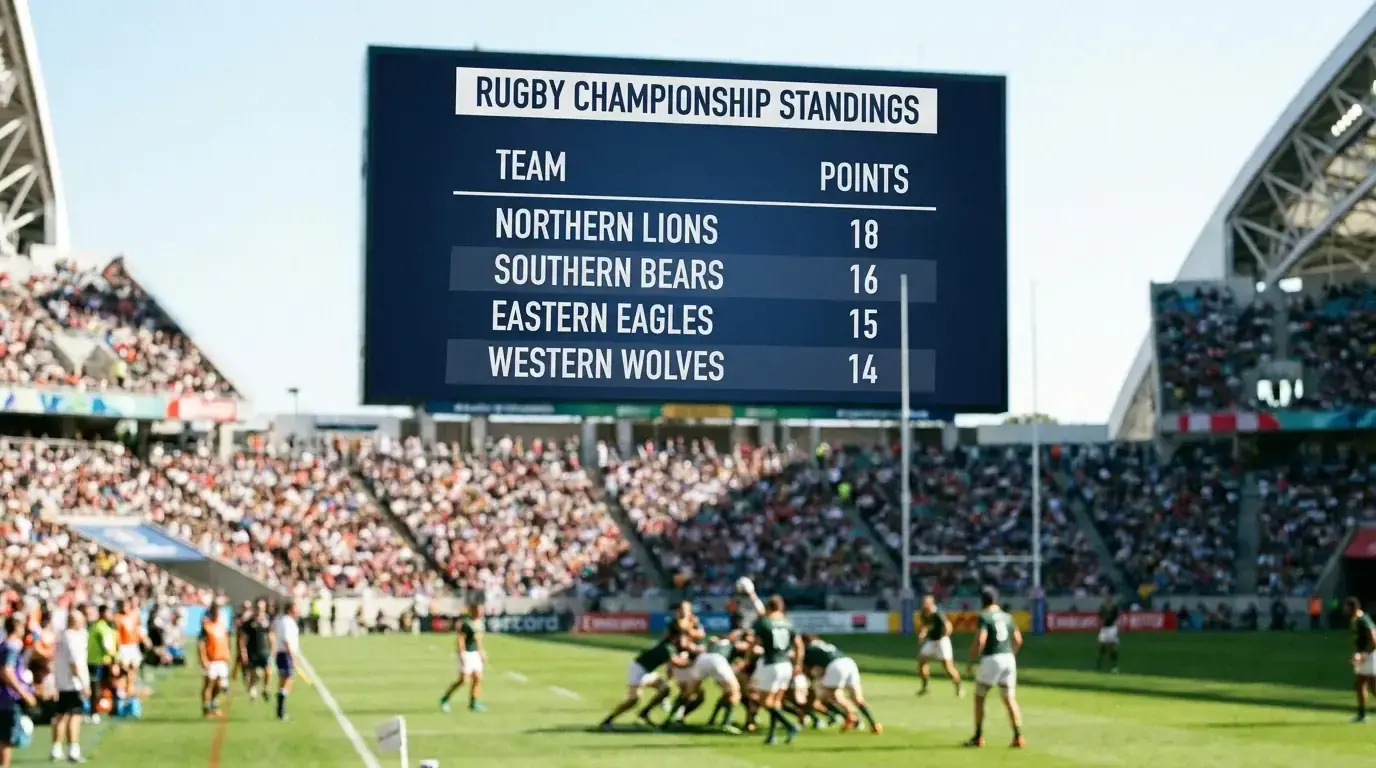
Four league points for a win, two for a draw, none for a defeat. Then come the bonus points that genuinely move title races: one for scoring four or more tries in a match, one for losing by seven points or fewer. A Grand Slam, winning all five, earns three extra points to guarantee the title and avoid any tiebreaker awkwardness. When teams finish level, points difference separates them, which is why a team can be “winning” the championship while trailing in matches still being played elsewhere.
For a punter the structure has direct consequences. The bonus-point system means a side can dominate on points difference without going unbeaten, so the outright market is not simply a hunt for the only team that wins every game. It also means the title can swing on the final weekend’s kick-off times, with later matches knowing exactly what they need. The opening France-Wales clash that traditionally launches a campaign sets the early tone for prices, and the market reprices fast once the first round reveals who has turned up in form.
What the outright price is really telling you
Outright odds on a Six Nations winner are a probability forecast dressed up as a number, and the trick is knowing how much of that number is genuine assessment versus crowd money piling onto a fashionable name.

UK books quote these as fractional prices by default. A favourite might sit at 6/4, decimal 2.50, meaning a £4 stake returns £6 profit plus your stake if it lands. A mid-pack side could be 5/1, decimal 6.00, and a perennial outsider might stretch to 50/1 or longer. The implied probability is the inverse: 6/4 implies roughly a 40% chance, 5/1 around 17%, before the bookmaker’s margin is stripped out. That margin, the overround, is why the implied probabilities across all six teams add up to more than 100%; the gap is the operator’s built-in edge.
The real skill is timing. Ante-post prices, those set well before the tournament starts, carry the most uncertainty and therefore the most potential value, because the bookmaker is pricing on form, fixtures and squad news months out. Once the first round is played, prices snap towards reality and the soft early numbers vanish. A team with a kind run, three home games and the toughest opponents in poor early form, may be underpriced before kick-off and unbackable by round three. The Triple Crown, won by an English, Irish, Scottish or Welsh side beating the other three home unions, sits as its own special market, and I cover the clean-sweep angles in detail in my piece on backing a Six Nations Grand Slam.
The money behind the market
People assume the Six Nations is a quaint old tournament punching above its weight. The balance sheet says otherwise, and that financial heft is exactly what makes its betting markets so deep.
The 2025 championship generated around $135.24 million in broadcast revenue from media-rights deals across the UK, France, Italy and Ireland, with 32 separate rights agreements stitched together to put the tournament in front of the largest possible audience. That is not a regional curiosity; it is a major media property, and the prize money reflects the stakes. The 2025 pot reached £18 million, with champions France collecting £6.5 million of it. When the rewards are that significant, the rugby is sharper, the team selections more serious, and the outcomes more readable, all of which feeds cleaner pricing.
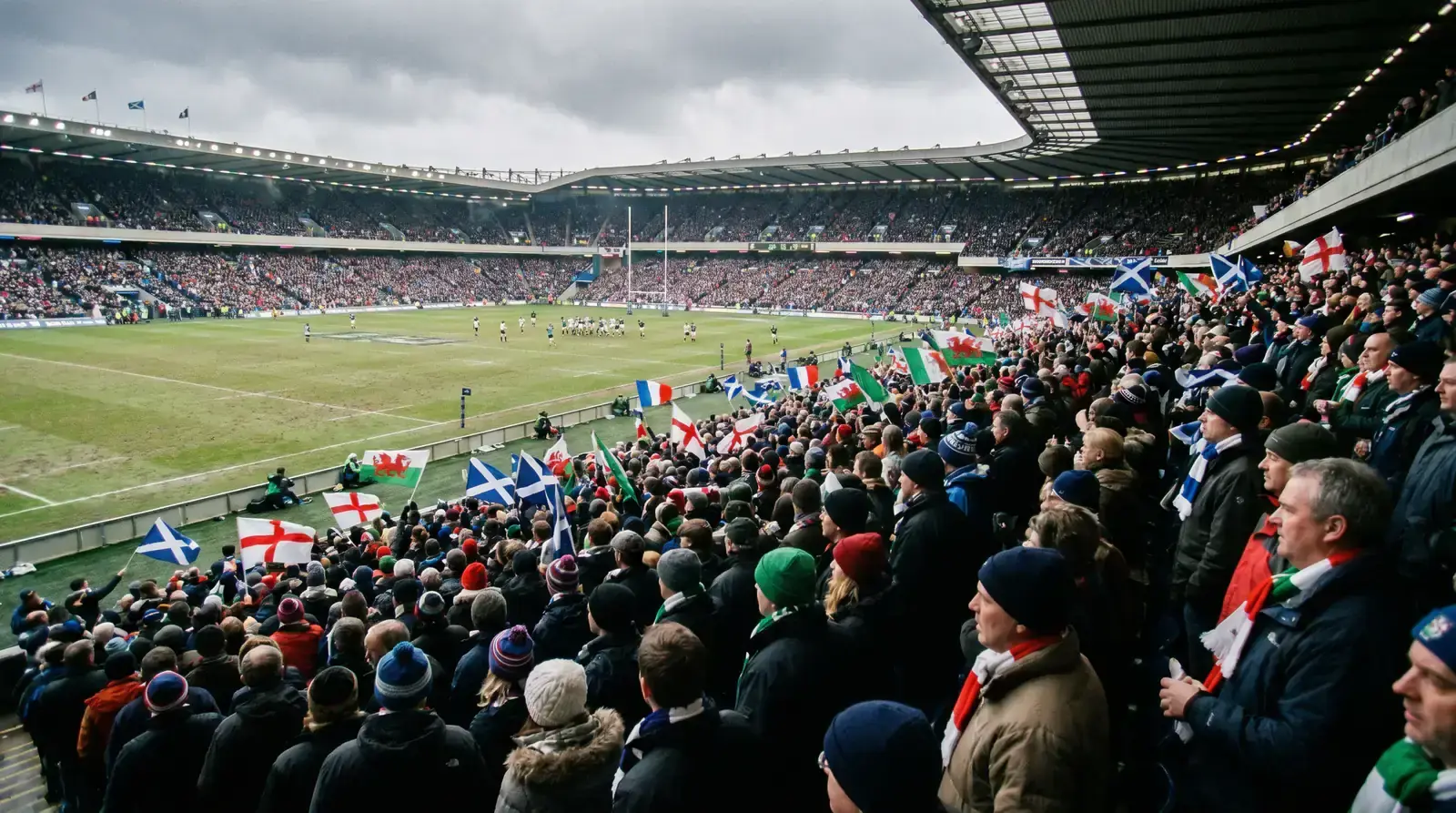
For the punter, the practical takeaway is liquidity. Big audiences mean big betting handle, and big handle means operators offer deeper markets, more in-play options and tighter prices than you will find on almost any other rugby competition outside a World Cup. Deep liquidity is a double-edged sword: prices are efficient because so much money has already sharpened them, but the sheer range of markets, outright, handicap, totals, top try scorer, match bet builders, gives a knowledgeable punter more places to find a soft corner than the headline winner market alone.
Turning the championship into a betting plan
Treat the Six Nations as a five-week campaign rather than five separate Saturdays and your betting improves immediately. The tournament rewards punters who think in arcs, not snapshots.

The opening weekend is where the casual money lands hardest, and it shows in the prices. The France-Wales-type curtain-raiser that traditionally launches the championship drew a peak ITV audience of 3.8 million in 2025, a reminder of how many eyes, and how much stake, hit the first round. That early flood often inflates favourites and shortens fashionable picks before a ball has been kicked in anger, which is precisely when a contrarian outright or handicap can hold value. As the weeks roll on, I track three things: home-and-away splits, because home advantage in this tournament is real and persistent; squad rotation as coaches manage injuries; and the live title permutations heading into the final weekend, when match markets can be mispriced relative to what each side actually needs from the scoreboard. Bet the championship as a story with chapters, and you stop chasing the noise of a single result.
