


The first Super League season I bet seriously, I kept getting burned by golden point, that sudden-death extra time that settles a tied game on the first score. I was treating drawn-at-the-buzzer matches like union, where a draw is a draw, and rugby league simply does not work that way. The competition has its own rhythms, its own scoring patterns and its own settlement quirks, and a union punter who wanders in expecting familiar territory hands the bookmaker an easy edge.
This is Britain’s premier rugby league competition, a fast, high-scoring, northern-rooted product with a betting profile distinct from anything in union. The fixtures come thick and fast through the summer, the scoring is volume-driven, and the season culminates in one of the most-bet rugby occasions in the calendar. Learning how its markets are built, and where they differ from the fifteen-a-side game, is the difference between betting Super League well and merely betting it.
How the competition is structured
Super League runs as a regular-season league followed by a play-off climax, and that two-part shape governs every outright and weekly market on the board. The clubs play through a summer-anchored campaign, accumulating league points, before the top sides enter a play-off series that culminates in the Grand Final.
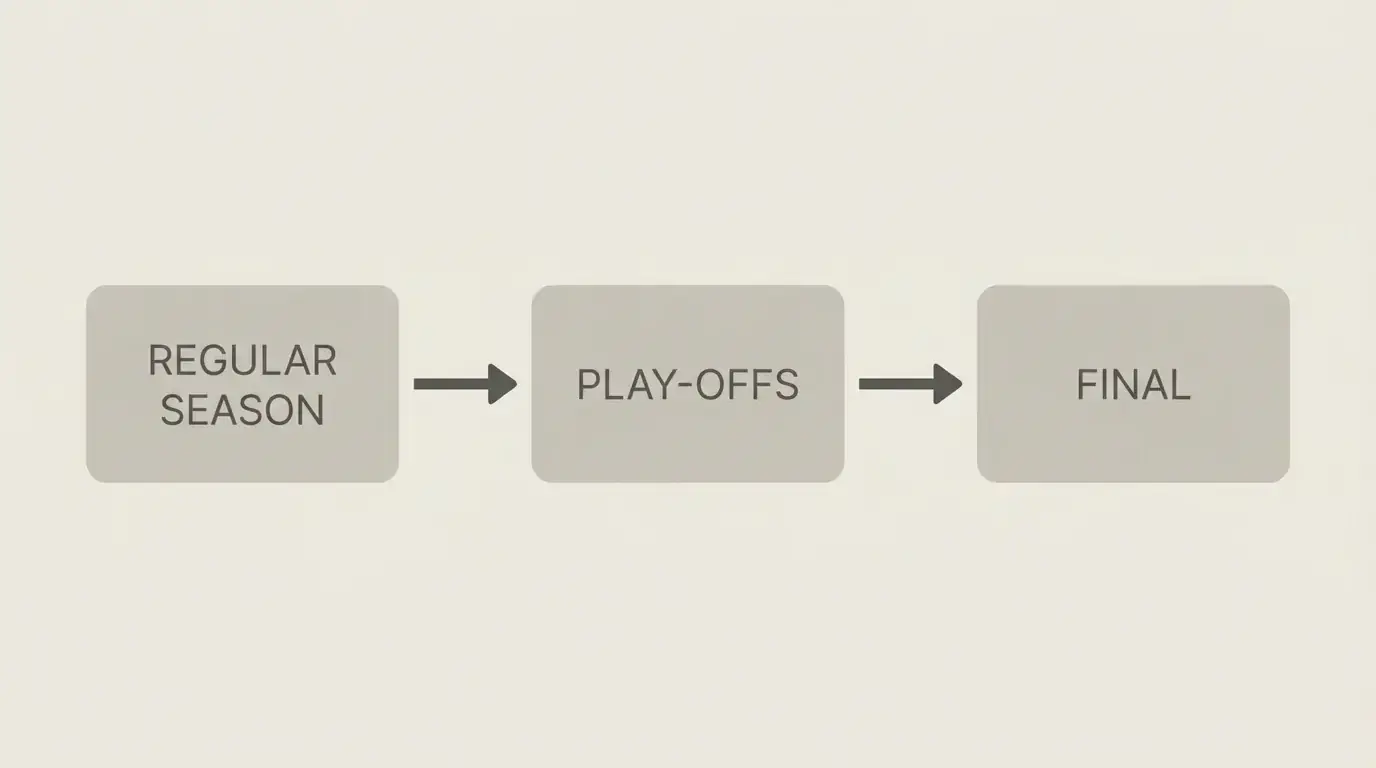
The league season ranks the teams, but as with so much knockout-tinged rugby, finishing top does not crown a champion; the play-offs do. The higher-placed clubs earn home advantage and seeding edges through the play-off rounds, with the final played at a major showpiece venue that has become one of British rugby league’s signature occasions. A salary cap keeps the competition relatively tight, compressing the talent gap between the strong and the middling sides in a way that affects how handicaps and outrights should be priced compared with leagues that have no such ceiling.
For a punter, the structure produces the familiar split between a long, readable regular season and a short, volatile knockout finish. The regular season is where form accumulates and weekly markets, match result, handicap and totals, run reliably. The play-offs are a different animal, where a single bad afternoon ends a campaign and seeding matters enormously. Treating the outright “Grand Final winner” market as a bet on regular-season quality alone is the error; it is really a bet on quality plus the ability to win two or three knockout games, and the salary-cap parity means more sides have a live shot than the table might suggest.
The weekly league markets
Week to week, Super League is a high-scoring, handicap-and-totals competition, and the volume of points it produces changes how every line should be read. In a UK market where football leads with around £1.1 billion in gross gambling yield and both rugby codes hold steady demand, Super League carries a loyal, knowledgeable following that keeps the headline markets reasonably sharp.

The handicap is the workhorse market. The salary cap narrows the talent gap, so blowouts are less automatic than in some union leagues, which means the lines are tighter and the handicap genuinely competitive rather than a formality on a heavy favourite. Home advantage matters, particularly for the traditional heartland clubs with passionate grounds, and I weigh it heavily when reading a line. Totals are where league’s scoring identity shows most clearly: the six-tackle structure manufactures tries at pace, so over/under lines sit high and accumulate steadily, which makes them a cleaner, more readable market than the spikier union equivalents, though the bookmakers price them efficiently as a result.
Beyond the staples, the marquee fixtures carry deeper coupons, first and anytime try scorer, winning margin, half-time/full-time and bet builders, though the depth thins on routine midweek rounds compared with a Six Nations Saturday. The leaner markets on smaller fixtures can occasionally mean softer, less-sweated lines for a punter who knows the competition well, which is one of the quiet advantages of betting a league that does not pull the mass casual audience a marquee union weekend does.
The Grand Final and the outright race
Everything in a Super League season funnels towards the Grand Final, and the outright market that prices it is one of the more interesting season-long bets in British rugby. The showpiece is a one-off, neutral-ground occasion that flattens home advantage and amplifies the pressure of a single decisive afternoon.
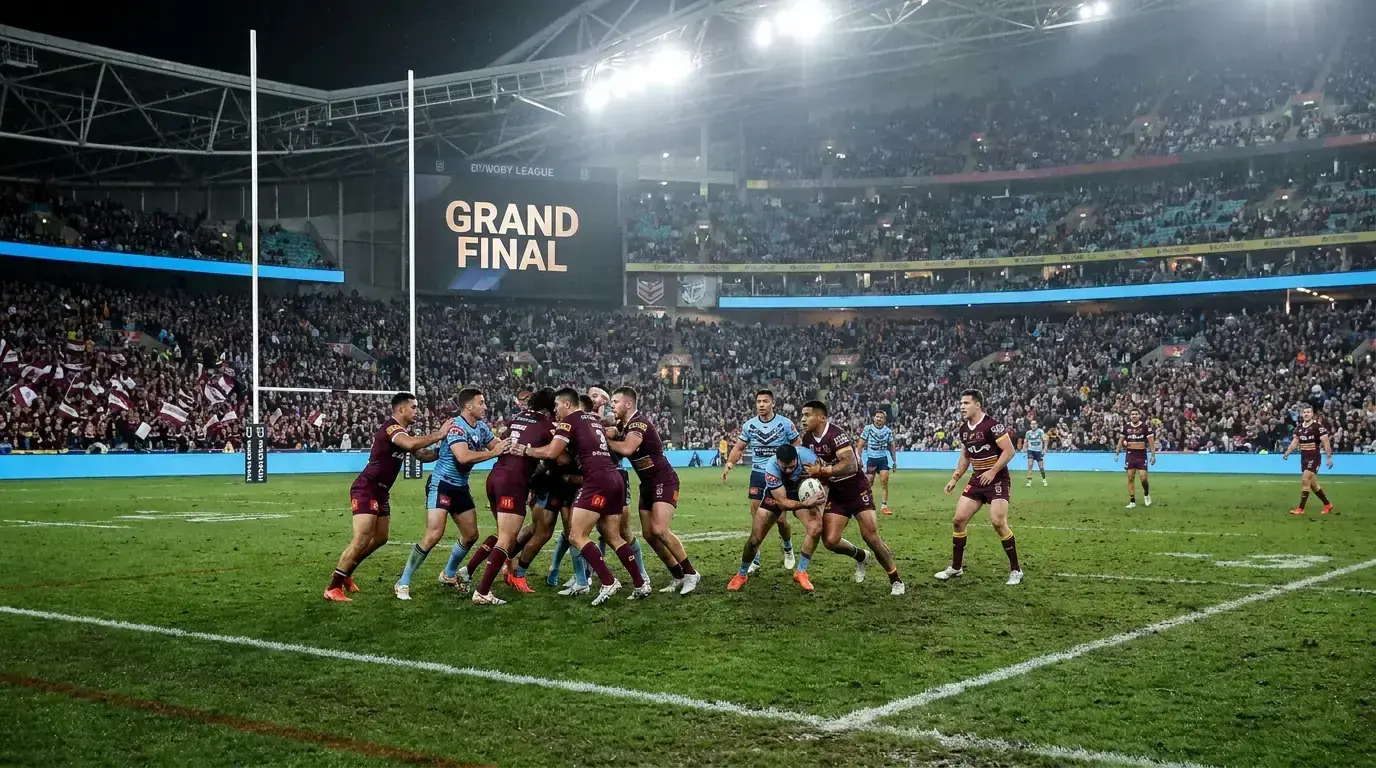
The “Grand Final winner” outright opens well before the season’s end and prices a blend of squad quality, recruitment and the salary-cap-driven parity that keeps several clubs in contention. Because the cap compresses talent, the market is rarely dominated by a single runaway favourite the way an uncapped league might be, which leaves more value scattered across the genuine contenders. I treat the outright as a two-stage bet, as I do with any play-off-decided competition: can this side finish high enough to earn favourable seeding and home play-off fixtures, and can it then win the knockout games that follow?

The “to reach the Grand Final” markets often hold better value than the final itself. Before the play-offs, you can buy a strong side’s path through a semi-final at a softer price than the showpiece commands once the two finalists are confirmed and the crowd has shortened the favourite. The final itself, played on a neutral stage, is closer to a coin-flip than the seedings imply, so I am cautious backing the outright winner once the matchup is set and prefer to have positioned earlier in the season or in the reach-the-final markets. The Grand Final is the headline, but the value usually sits in the rounds that decide who gets there.
Betting golden point and sudden death
Golden point is the rule that catches out every union convert, and understanding it is essential to betting Super League without nasty settlement surprises. When a match is level at full time in the relevant fixtures, the game goes to sudden-death extra time, and the first points of any kind, a drop goal, penalty or try, win it.

This single rule reshapes several markets. A drawn-at-the-whistle game does not stay drawn, so any bet that hinged on the regulation result, a handicap landing exactly on the line, a draw selection, a precise margin, can be affected by what happens in extra time, and the settlement treatment depends on the operator’s rules for whether markets settle on eighty minutes or on the golden-point result. I always check whether match-result and handicap markets are graded at full time or after extra time, because the difference decides whether a late equaliser is a push, a loss or a win for a given bet.
Golden point also creates its own betting interest and its own risk. The drama of a sudden-death drop goal makes drawn-at-full-time situations far more live than in union, which adds volatility to in-play prices in the closing minutes as a tie looms. For a punter, the discipline is twofold: know in advance how each market handles extra time, and respect that a fixture heading towards a tie carries a layer of unpredictability union rarely produces. Golden point is a thrilling rule to watch and a treacherous one to bet blind, so the settlement terms belong in your research alongside the form. For a comparison with the other major UK rugby league knockout competition, my guide to Challenge Cup betting covers how the cup format prices its own upsets.
