


The bet builder is the market that turned watching a single rugby match into a genuinely engaging bet for me, because instead of picking one outcome I could weave together a whole story of how I thought the game would unfold. A favourite to win, over a certain number of points, a particular winger to score, all bundled into one priced bet on one match. It is the most modern market on the rugby coupon, built for the app era, and it rewards a punter who understands not just rugby but the hidden way correlated outcomes are priced.
A bet builder lets you combine several different markets from a single rugby match into one bet, with all selections needing to land for it to pay out. It differs from an accumulator, which combines selections across multiple separate matches, by keeping everything within one fixture, which introduces a crucial wrinkle: the outcomes within a single match are often related to each other in ways the pricing has to account for. Understanding that relationship is what separates a smart bet builder from a long-odds punt.
What a bet builder actually is
A bet builder is a single bet assembled from multiple markets within one match, combining outcomes that all have to come true for the bet to win. It is the within-a-match cousin of the accumulator, and the distinction matters more than it first appears.
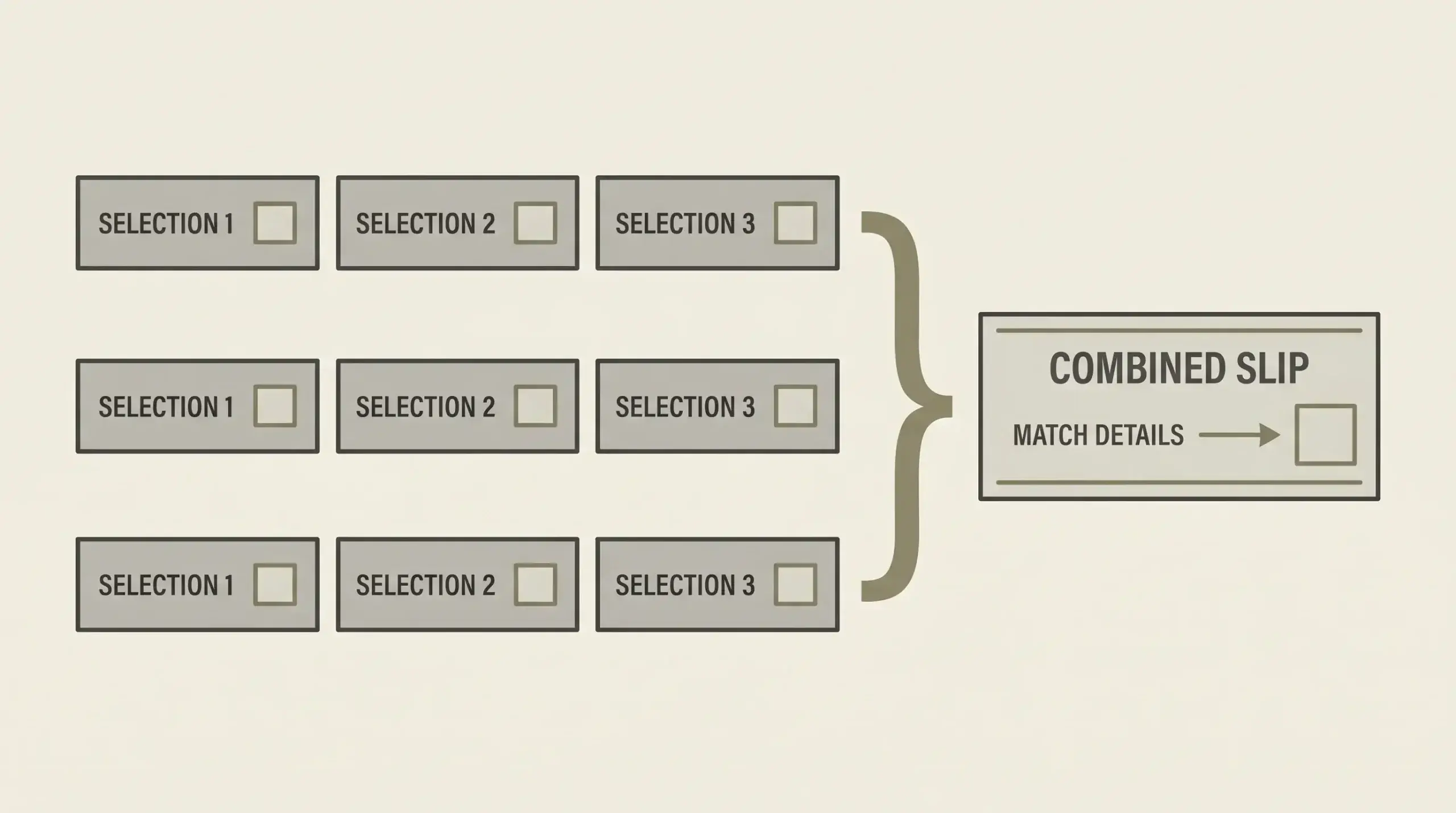
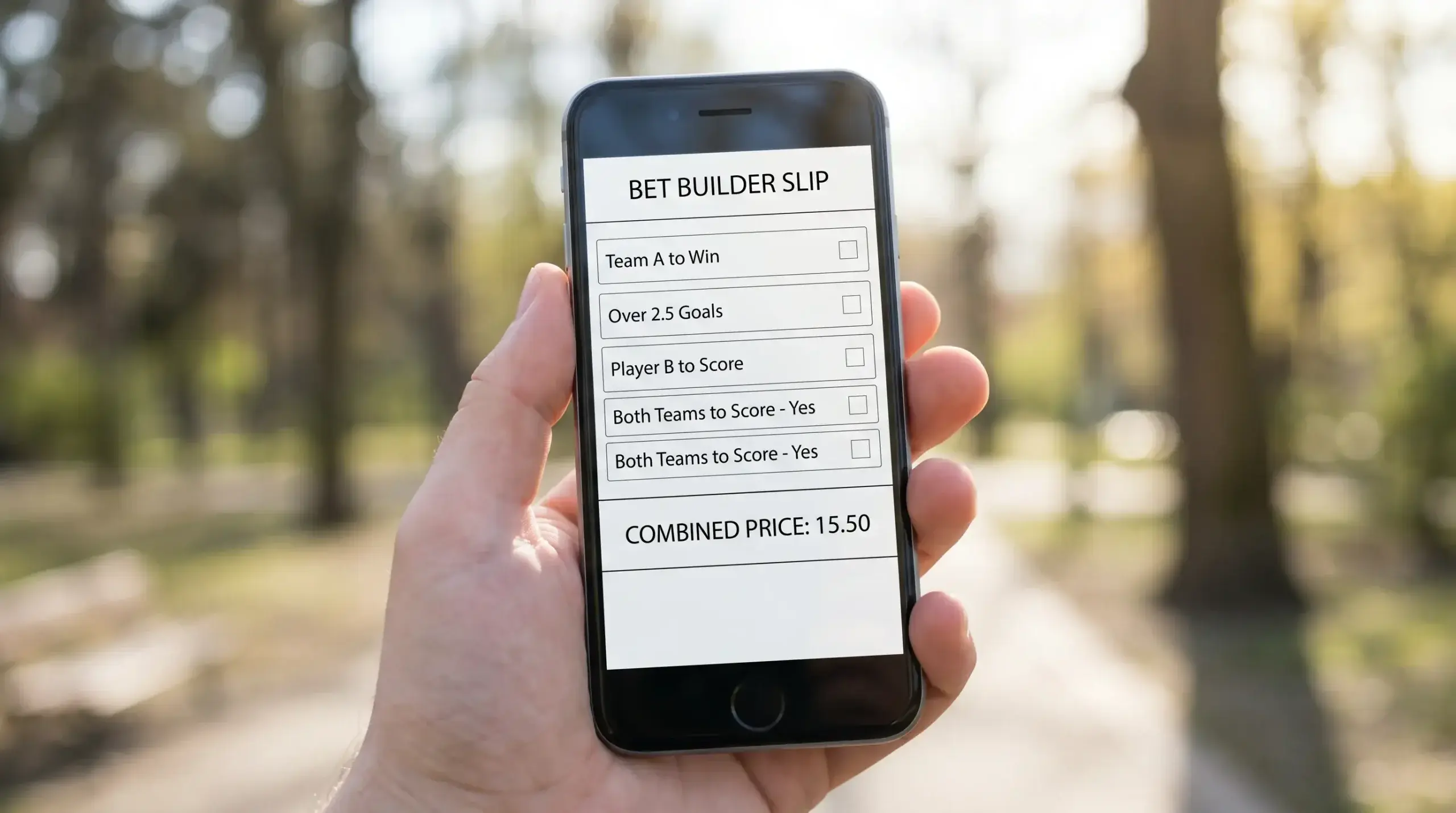
The mechanic is intuitive, especially on a phone. You choose one rugby match and then select several outcomes from the markets available on it: the match result, the total points over or under a line, a particular player to score a try, the winning margin band, and so on. The bet builder combines these into a single bet with one combined price, and like an accumulator, every selection must land for the bet to pay out, with one losing leg sinking the whole thing. The combined odds are longer than any single selection, because you are asking several things to happen together, which is the source of the appeal, a bigger potential return from a single match than any one market offers.
The defining difference from an accumulator is that all the selections come from the same match, which means they can be related to one another rather than independent. In a standard acca across four different matches, the result of one game has no bearing on another, so the probabilities are independent and multiply cleanly. In a bet builder, the outcomes within one match often influence each other, a team winning comfortably makes a high total and that team’s players scoring more likely, for instance, and this interdependence is what makes bet builder pricing fundamentally different from acca pricing. Recognising that the selections within a single match are connected, not independent, is the conceptual key to the whole market, and it is the thing most casual users never think about.
The combinations rugby punters favour
Certain bet builder combinations recur because they reflect coherent ways a rugby match can unfold, and knowing the popular building blocks helps you construct bets that tell a sensible story rather than a contradictory one. The best builders express a single, consistent view of the game.
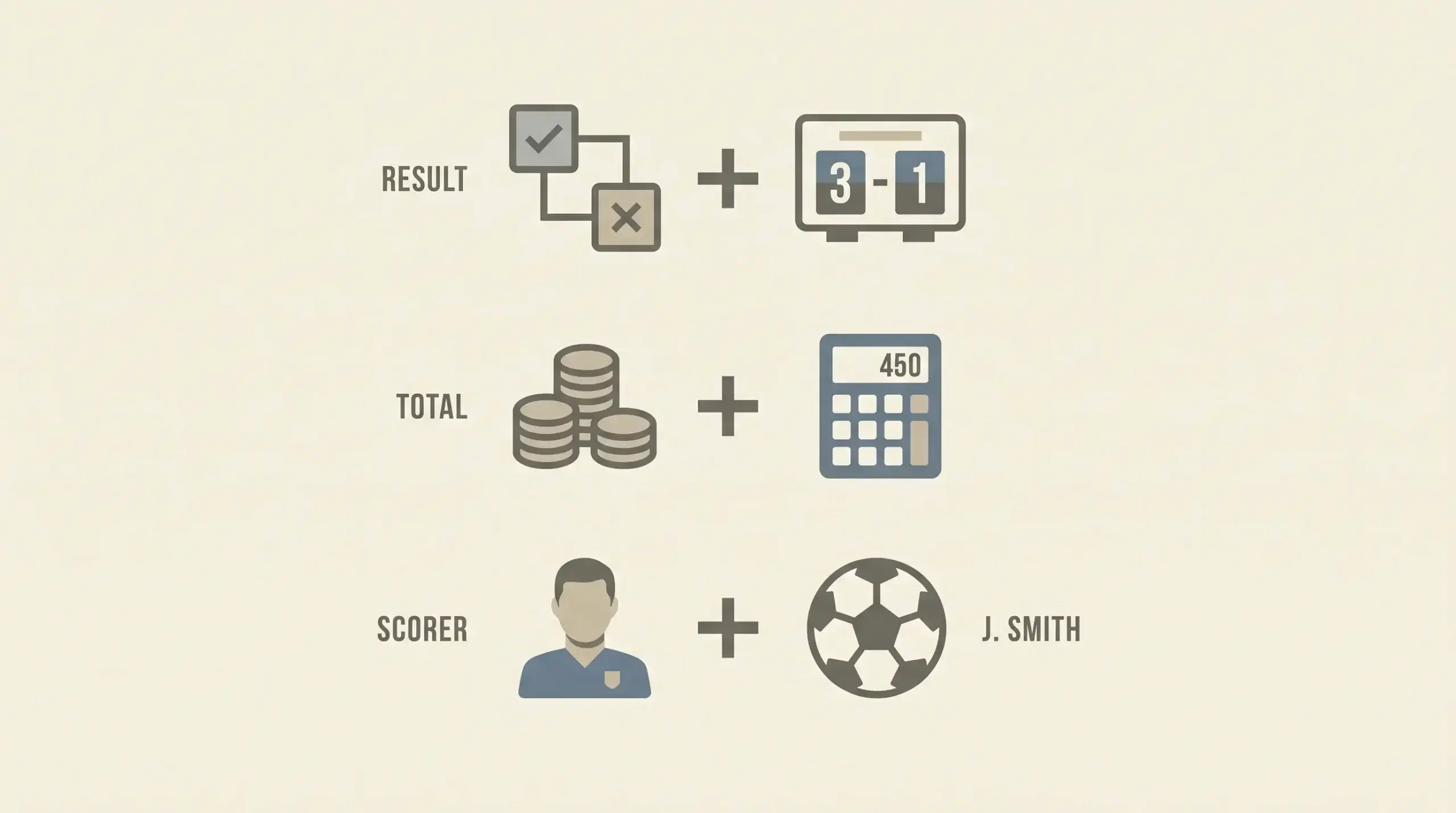
The most common rugby bet builder combinations cluster around the staple markets, which is unsurprising given that match outcome and margin attract around 60% of all rugby bets. A typical builder might pair a team to win with a total points line, expressing a view that the favourite wins and the game is either high or low scoring. Another popular construction combines a team to win with one of its players to score a try, a coherent story where the side dominates and a likely finisher gets on the scoresheet. More elaborate builders add a winning margin band, a half-time leader, or a specific player to make an impact, layering several aspects of a predicted match flow into one bet. The handicap and try-scorer markets feature heavily, because they let a punter express both how comfortably a side wins and who does the damage.
The skill in choosing combinations is coherence. A good bet builder tells a single, consistent story about the match, every selection pointing the same way, a dominant favourite, a high-scoring game, that favourite’s winger to score, which all reinforce one another. A poorly constructed builder combines selections that pull against each other, backing a team to win while also backing the total to stay low and an opposition player to score, outcomes that do not sit comfortably together and that you are unlikely to see all occur. I build my bet builders around a clear prediction of how the match will unfold, choosing selections that flow naturally from that single picture, because a coherent builder is both more likely to land and, as the next section explains, often better value than the price suggests. The combinations that work are the ones describing one plausible version of the game, not a grab-bag of unrelated hopes.
Correlation and how the price is set
Correlation is the concept that makes bet builders genuinely different from accumulators, and understanding it reveals both why operators restrict certain combinations and where the occasional value hides. Correlated outcomes are ones that tend to happen together, and their relationship changes the true odds.
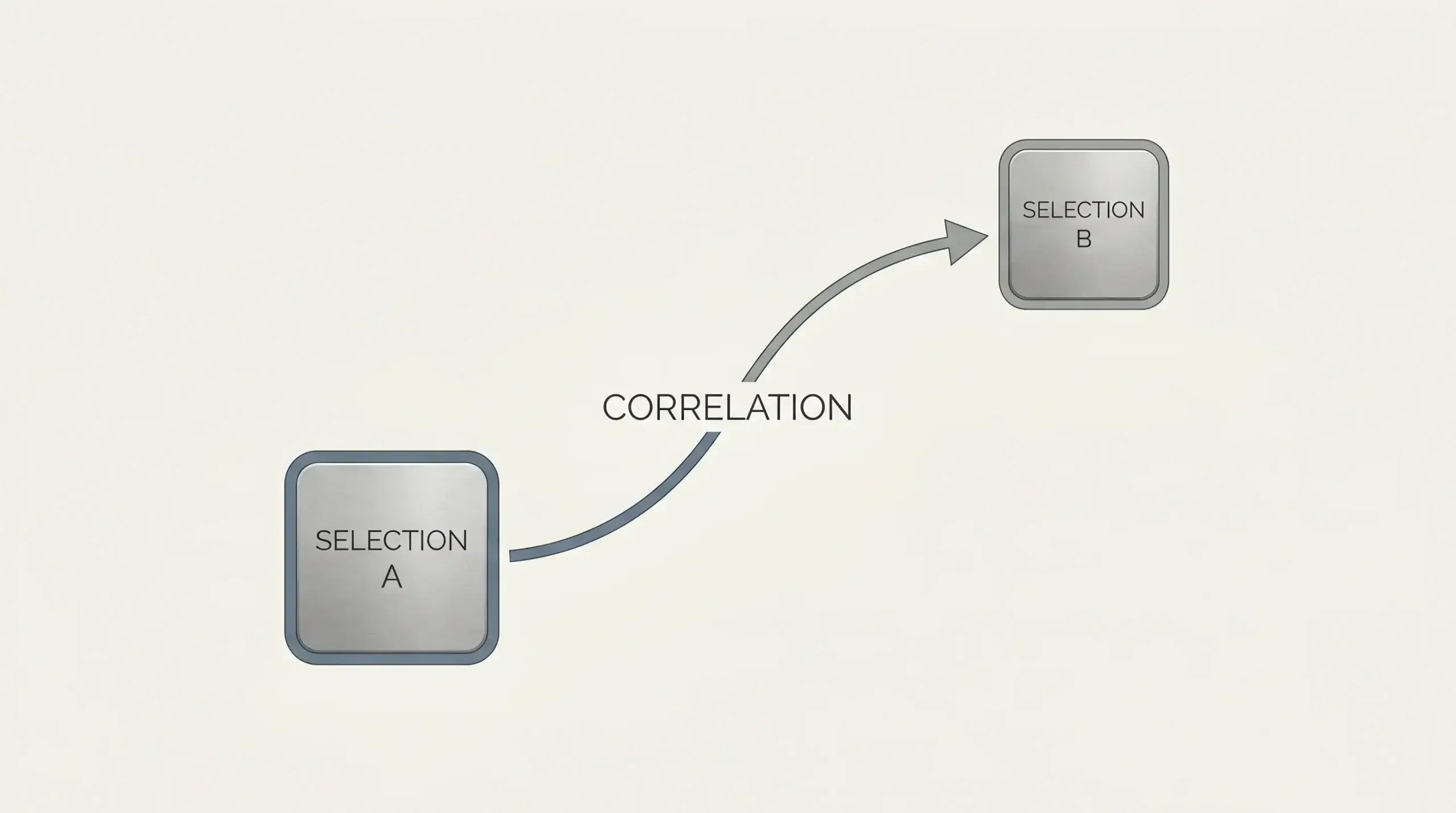
When two outcomes are positively correlated, one becoming more likely when the other occurs, their combined probability is higher than you would get by simply multiplying their individual probabilities as if they were independent. A team winning by a big margin and that team’s players scoring tries are positively correlated, because the same dominant performance drives both, so in reality they occur together more often than independent multiplication would suggest. Bookmakers know this, which is why they do not price bet builder selections by naively multiplying the individual odds the way an accumulator across separate matches is priced. Instead they adjust the combined price to account for the correlation, shortening it to reflect that correlated outcomes cluster together, which is how they protect themselves against punters exploiting the relationship.
This pricing adjustment is also why certain combinations are restricted or unavailable. The most strongly correlated outcomes, where backing both would be close to backing the same thing twice and collecting at inflated odds, are often blocked entirely or priced very tightly, because allowing them at independent-multiplication odds would hand punters easy value. The operator’s correlation modelling is imperfect, however, and the occasional edge exists where the true correlation between selections is stronger than the price fully captures, giving a knowledgeable punter a builder that is better value than it looks. Finding those spots requires genuinely understanding how rugby outcomes relate, which players score when a team dominates, how margin and total interact, rather than just assembling selections. Correlation is the hidden engine of bet builder pricing, and the punter who understands it builds smarter bets while the casual user combines selections blind to the relationships that determine their real value.
Building a smarter bet builder
Putting the pieces together, a few practical principles separate a thoughtful bet builder from a long-odds gamble, and applying them turns the market from a bit of fun into a more considered bet. The discipline lies in coherence, restraint and proportion.

My first principle is to build around a single clear prediction, choosing selections that all flow from one coherent picture of how the match will unfold, because a builder telling one consistent story is both more likely to land and more likely to benefit from positive correlation than a set of unrelated selections. My second is restraint on the number of legs: just as with accumulators, every added selection multiplies the risk and lowers the win probability, so a focused three- or four-selection builder expressing a strong view beats a sprawling one stuffed with legs to lengthen the odds. The seductive long price of a six-leg builder reflects how unlikely all six are to land together, not how clever the bet is.
The final principle is proportion and discipline, keeping bet builders in the entertainment portion of betting rather than mistaking them for a profit engine. Problem gambling affects around 0.5% of the UK population, and markets that turn a single match into a long-odds, high-engagement bet are exactly the kind that reward small stakes and clear limits, because the appeal of building an ever-bigger combined price can tempt a punter towards riskier, larger bets. I treat bet builders as an enjoyable way to express a detailed view of a match I am watching, stake modestly, keep the leg count disciplined, and build around genuine correlation rather than hope. Used that way, the bet builder is one of the more engaging and rewarding markets rugby offers; used as a route to chase big returns from improbable combinations, it is a fast way to lose small stakes repeatedly. The smart builder is a focused story, not a hopeful pile of legs. For betting on the individual player statistics that often feature as bet builder legs, my guide to rugby player props on tackles, carries and metres covers the markets that combine well within a single match.
