


The first try scorer market is where casual punters and serious ones reveal themselves, because the casual punter backs the famous name and the serious one backs the position. I learned this watching a fly-half I had backed for the first try set up three of them without crossing the line himself. The scorer market is not a bet on who is best; it is a bet on who is most likely to be the one touching the ball down, and those are very different questions.
This is the market that turns a passive watch into ninety minutes of edge-of-the-seat involvement, which is part of why it is so popular and so frequently mispriced by the people staking on it. It rewards an understanding of where tries actually come from, which positions finish moves, and how the bookmaker builds its book around player prices. Get the positional logic right and you are betting a market that the crowd consistently approaches the wrong way round.
How the scorer markets are built
Try scorer betting is a family of related markets, not a single bet, and knowing how the book is constructed is the first step to attacking it. At its core, the bookmaker prices every player in both starting line-ups, plus the likely replacements, on their chance of scoring.
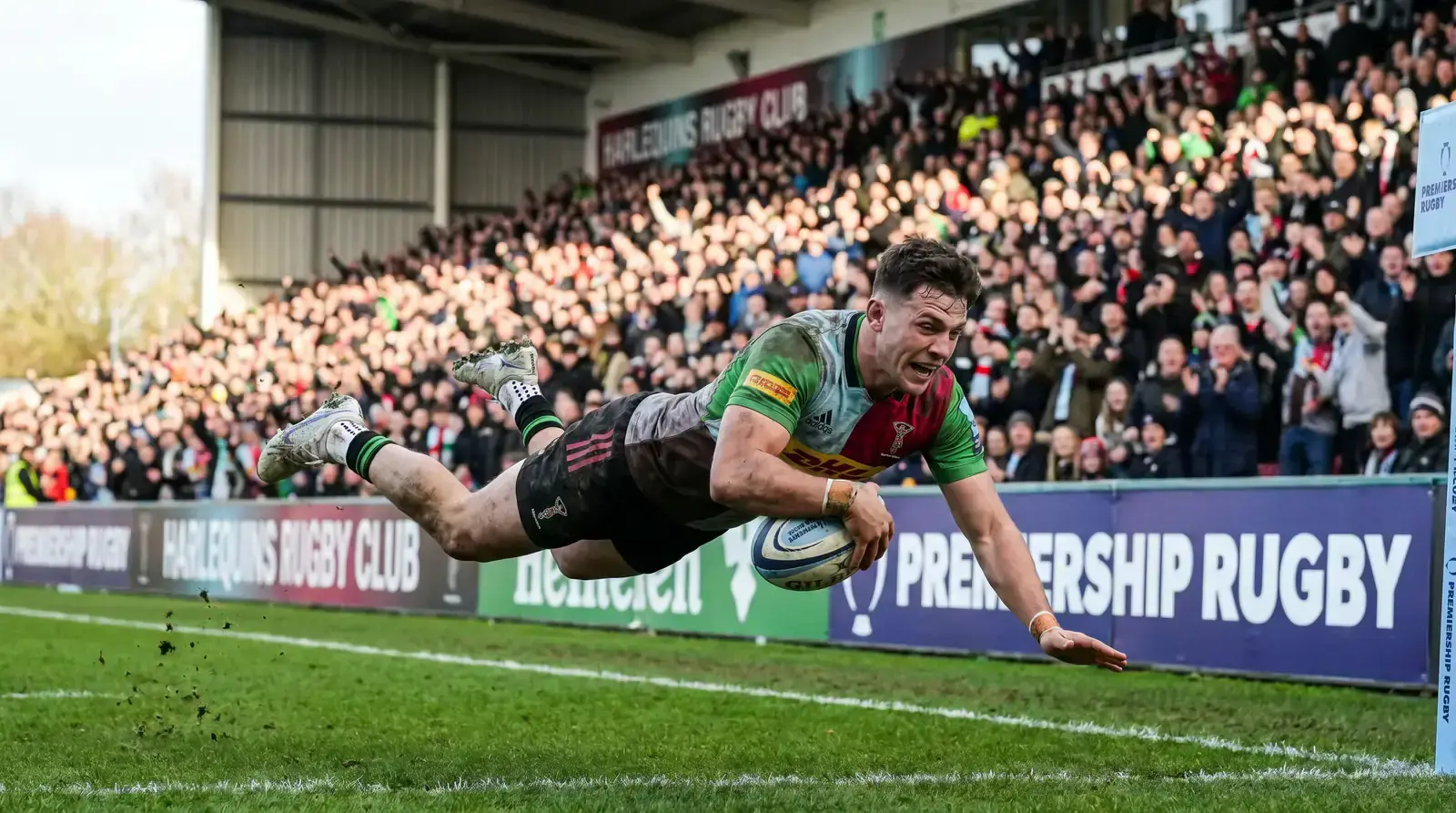
The pricing is driven overwhelmingly by position. Wingers and outside backs sit at the short end of the market because they finish the majority of tries, receiving the ball in space out wide where the line is there to be crossed. Centres and back-rows come next, then the tight forwards, with props and locks priced long because they cross the line far less often, usually from close-range drives. Goal-kickers and playmakers can be shorter than their try-scoring rate alone justifies, because their names attract casual money and the bookmaker shades the price accordingly. Replacements are priced longer still, reflecting their reduced minutes.
The book is then balanced so that the implied probabilities across all players, plus the “no try scorer” or “own player” contingencies, exceed 100%, with the gap forming the bookmaker’s margin. That margin is wider on scorer markets than on a simple match result, because pricing twenty-plus individual players involves more uncertainty and more room for the operator to protect itself. For the punter, the practical reading is that the favourites in this market are short for a reason, position, and that the value, when it exists, tends to sit just below the obvious names, on the players whose try-scoring profile the casual crowd overlooks.
First, anytime and last compared
The three main scorer markets look similar but reward completely different thinking, and mixing them up is a common and expensive mistake. First try scorer, anytime try scorer and last try scorer each price the same players but answer distinct questions.
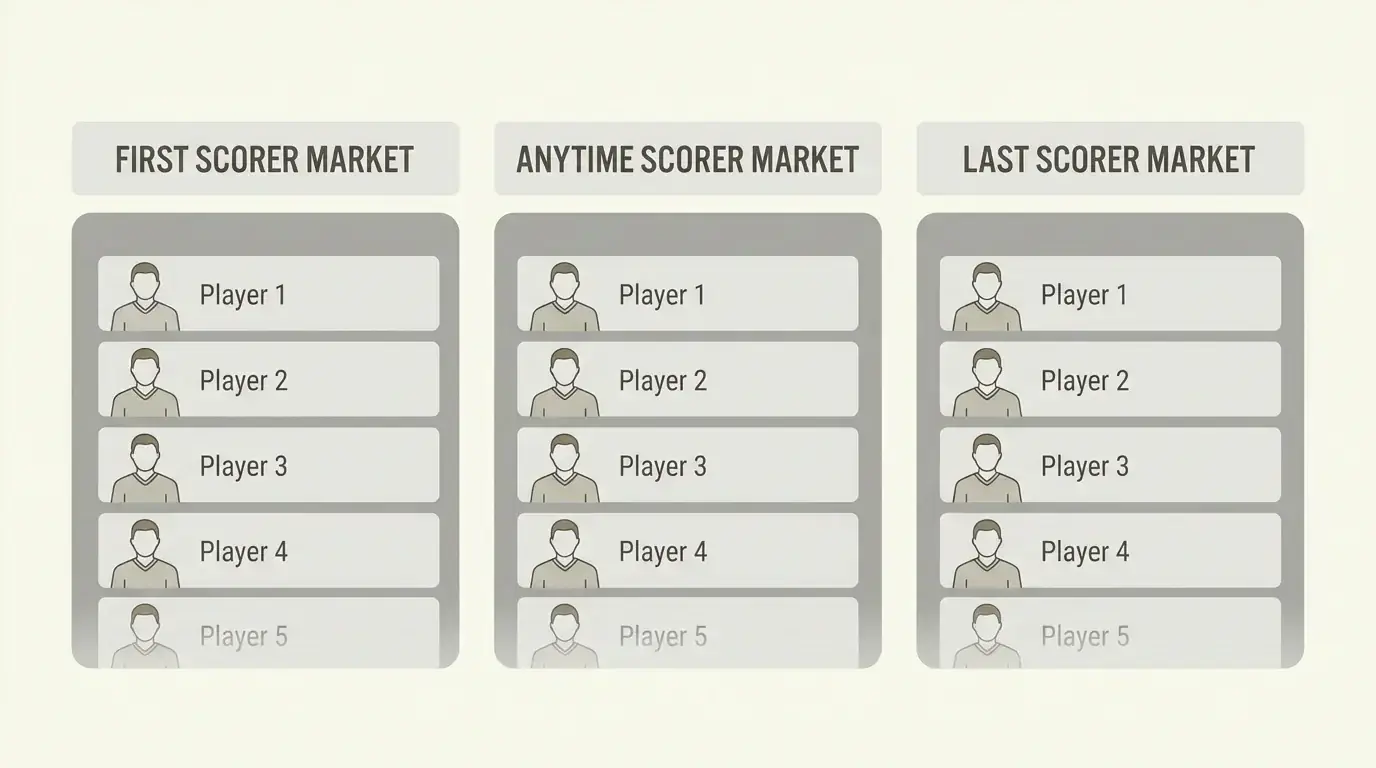
First try scorer is the purest and the hardest: your player must score the opening try of the match, with no second chance. It carries the longest odds of the three because it is the most specific outcome, and a single early try by anyone else settles your bet as a loser before the game has properly begun. Anytime try scorer is the forgiving cousin: your player simply has to cross the line at any point in the match, so the odds are much shorter but the hit rate is far higher, which makes it the staple for punters who want scorer involvement without the knife-edge of the first-try requirement. Last try scorer mirrors the first but at the other end, your player must score the final try, which is genuinely hard to predict because late tries often come from whoever happens to be near the line as the game opens up.
I treat them as tools for different convictions. Anytime is my default when I simply rate a back’s chances of getting on the scoresheet across the whole game. First try scorer I reserve for situations where I have a specific read on which side will strike early and which player tends to finish their opening attacking sets. Last try scorer I largely avoid as a standalone bet because the late-game chaos makes it closer to a lottery, though it can work in a mismatch where a dominant side is likely to be camped on the line in the closing stages. Same players, three different bets, three different ways of thinking.
Reading the prices like an analyst
The scorer market is one of the clearest places to see the bookmaker’s psychology at work, because it prices reputation alongside probability and the two do not always match. Reading the prices well means separating the player who will score from the player whose name sells.

Rugby generated around $8.26 billion in betting turnover in 2025, roughly 5% of the global sports betting market, and a meaningful slice of that interest flows into player-specific markets like the try scorer, which keeps them liquid but also crowded with sentiment-driven money. Expert-reviewed UK bookmakers, as one gambling editor noted, tend to offer a wider range of betting markets stretching from popular events to more niche tournaments, and the scorer market is exactly the kind of granular product where that depth shows. The crowd piles onto star fly-halves and famous captains, shortening their prices below their true try-scoring likelihood, while the genuine finishers, the in-form wingers and rampaging back-rows, can drift to value if they lack a marquee profile.
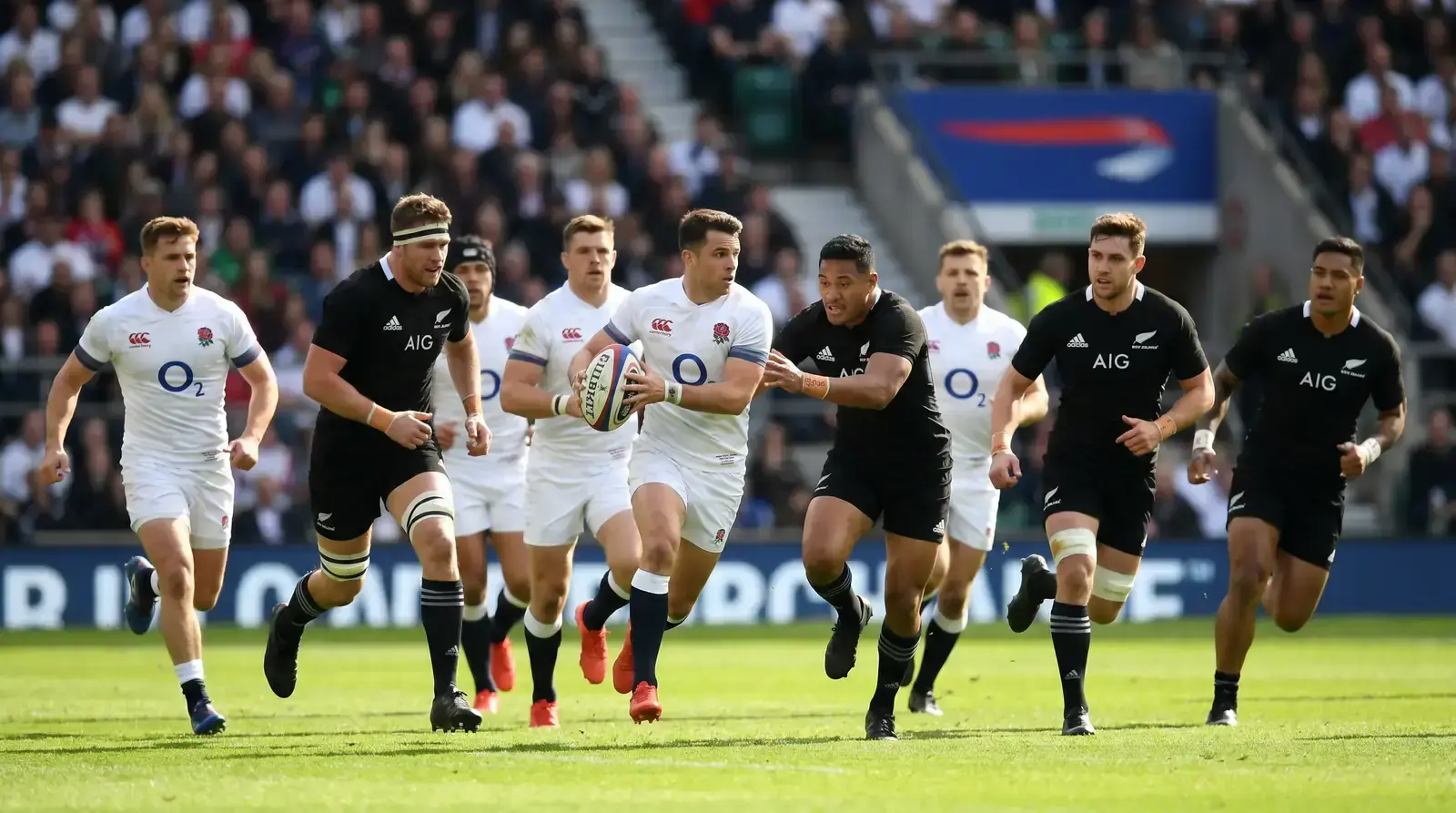
My pricing read starts with position and minutes, then layers in matchup and role. I want the wingers on the side most likely to attack the wide channels, the back-rows who carry close to the line, and the players taking the ball at the cutting edge of their team’s best attacking shape. I actively fade the over-bet playmakers whose job is to create rather than finish, the very players who set up tries without scoring them. And I always check who is on goal-kicking and conversion duty, because that has no bearing on try scoring and yet inflates some prices through name recognition alone. The market rewards the punter who prices the role, not the reputation.
Dead heats, late changes and the small print
The scorer market has more settlement quirks than almost any other rugby bet, and the punters who get caught out are usually the ones who never read the rules until a bet they thought won pays half. Knowing the small print is part of betting this market profitably.

The most common surprise is the dead-heat rule. If two players are deemed to have scored simultaneously, or in markets where joint outcomes are possible, the stake is divided and the payout reduced accordingly, so a “winning” bet can return less than the full odds suggested. More important for most punters is the non-runner rule: if the player you backed does not take any part in the match, your stake is usually returned, but the rules differ for first try scorer markets where settlement depends on whether the player took the field at all. This is where the benched-player question bites. A player named on the bench who never comes on, or who comes on after the first try has been scored, has no chance of winning a first-try bet, and the refund treatment varies by operator and market.
The practical defence is to read each operator’s scorer rules before staking, particularly around late line-up changes, half-time substitutions and the treatment of players who start on the bench. I check the confirmed starting fifteen rather than the predicted one, because a star winger rested to the bench transforms the value of every price in the market. I also factor in early-substitution risk for first try scorer bets on players carrying knocks, since an injury before the opening try kills the bet with the refund rules in play. The scorer market rewards positional insight, but it punishes anyone who skips the settlement terms, so the homework includes the rule book, not just the team sheet. For a broader view of betting on individual player output beyond just tries, my guide to rugby player props covers the statistical markets that sit alongside the scorer bets.
