


The Challenge Cup is the competition that taught me to respect the upset. I watched a part-time lower-division side dump out a full-time professional club on a muddy afternoon, and the punters who had laid the favourite at a short price learned the same lesson I did: knockout rugby league does not care about the form table. This is the oldest and most romantic competition in the sport, and its open, single-elimination format makes it a very different betting proposition from the week-to-week predictability of the league.
The cup throws together clubs from across the rugby league pyramid, professional and semi-professional, in straight knockout ties, which means giant-killings are not freak events but a structural feature of the draw. That open quality changes how every market should be priced, and it rewards punters who understand that a one-off cup tie carries risks a league fixture never does. Learn to price the upset and the Challenge Cup becomes one of the more rewarding markets on the rugby league calendar.
How the knockout format shapes the betting
The Challenge Cup is single-elimination from start to finish: win and you advance, lose and you are out, with no second chances and no aggregate scores. That brutal simplicity is the source of everything that makes the competition distinctive to bet.
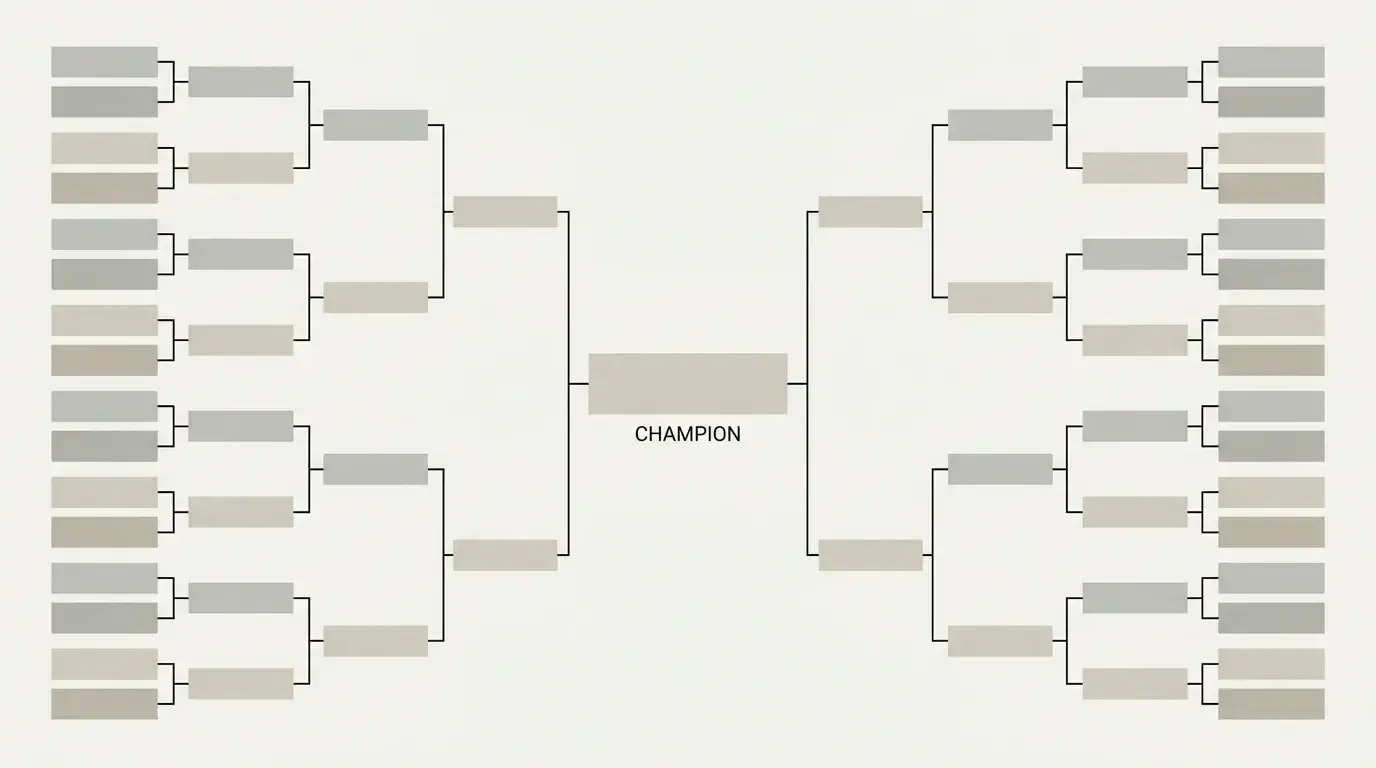
The draw brings in clubs from multiple tiers of the rugby league system, with the top-flight Super League sides entering at a later stage after the lower-division and semi-professional clubs have fought through the earlier rounds. Ties are one-off matches, often with home advantage drawn rather than seeded, which can hand a lower-ranked club a money-spinning home tie against a bigger name. The competition culminates in a final at a major showpiece venue that has long been one of the sport’s signature occasions. Each round is its own self-contained event, and the absence of a return leg means a single bad afternoon ends a campaign regardless of the gulf in resources between the clubs.
For a punter, the knockout structure inverts the logic of league betting. In the league, a stronger side has a long season to assert its quality and the odd off-day washes out over time; in the cup, that off-day is fatal. The variance is therefore much higher, and the favourite’s true probability of progressing is lower than a comparison of league standings alone would suggest, because one flat performance, one red card, one freak bounce on a heavy pitch is enough. Pricing a cup tie means pricing the chance of chaos, not just the gap in ability, and the punters who forget that are the ones laying short-priced favourites that occasionally fall.
Putting a price on the upset
The central skill in Challenge Cup betting is valuing the giant-killing correctly, because the market frequently misprices it in both directions. Casual money overrates big names, while the genuine upset probability is higher than league form implies. As one gambling editor observed, expert-reviewed bookmakers tend to offer a wider range of markets stretching from popular events to more niche tournaments, and the cup’s lower-tier ties are exactly the kind of niche fixtures where pricing can be soft.

Several factors push the upset probability above what reputation suggests. A lower-division club drawn at home against a Super League side enjoys a real edge: an unfamiliar, tight ground, a passionate local crowd, and a heavy or narrow pitch that neutralises the favourite’s pace and space. Motivation is asymmetric, the cup is the underdog’s season-defining occasion while the favourite may be managing it around league priorities. And the bigger club, knowing it is expected to win comfortably, frequently rotates its squad, fielding fringe players and resting key men, which narrows the real gap far more than the headline prices reflect. Regional and domestic competitions like this drive more than half of all rugby betting turnover, so the cup attracts enough money to create liquid markets, but not always enough analysis to price the lower-tier ties sharply.
My approach to the upset is selective rather than romantic. I do not back underdogs blindly; the gulf in professional resources is real and most favourites do win. Instead I hunt the specific conditions that stack in the underdog’s favour, a lower-tier club at home, on a difficult pitch, against a favourite likely to rotate ahead of a big league fixture. When those align, the underdog’s price on the moneyline, or better still on a generous handicap, offers value the form table misses. When they do not, I leave the upset alone and look elsewhere, because a giant-killing that has not been set up by circumstances is just hope. The cup pays the punter who prices chaos precisely, not the one who simply enjoys a romantic story.
The showpiece final and its markets
The final is the Challenge Cup’s crown jewel and a market all of its own, contested at a major neutral venue that strips away the home advantage which shapes the earlier rounds. The occasion changes the betting calculus entirely.

By the time two sides reach the final, the lower-tier romance has usually given way to two strong clubs, most often Super League sides who have navigated the knockout rounds. The neutral showpiece venue flattens the home advantage that defined the earlier ties, so the final is priced much more on the two finalists’ relative quality and form, closer to a league fixture in its logic than the chaotic early rounds. That said, the one-off nature still injects variance: a final is a single eighty-minute occasion with no replay, where nerves, the weather and a single moment can decide a tight contest, which keeps the result less certain than a comparison of the clubs’ league records suggests.

Betting the final outright works on two timelines. Ante-post, before the finalists are confirmed, you can back a club to win the cup outright at a longer price that rewards backing it through the remaining knockout rounds, carrying the risk that it slips up before reaching the showpiece. Once the final is set, the market reprices on the specific matchup, and the value often lies in the supporting markets, handicap, total points, first try scorer, rather than the moneyline, which tends to be efficiently priced on a high-profile occasion that attracts heavy money. I treat the confirmed final as a fixture to analyse like any big match: form, head-to-head, the conditions and the way the two sides match up tactically, while respecting that a one-off final carries more variance than the seedings imply. For the league competition these cup contenders play the rest of the year, my guide to betting Super League markets covers how the weekly rugby league coupon is built.
A disciplined approach to cup ties
The Challenge Cup rewards a clear strategy more than most competitions, because its variance punishes the punter who treats every tie the same way. The discipline is knowing which ties to bet, which to swerve, and how to size the risk.

My framework sorts cup ties into three buckets. The mismatches between vastly separated tiers I mostly avoid on the moneyline, because the favourite usually wins but the price is too short to be worth the upset risk, and I look instead at handicap or margin markets if I want involvement. The genuine upset opportunities, where a lower-tier home side meets a rotating favourite on a difficult pitch, are where I concentrate my underdog staking, taking the moneyline or a handicap when the circumstances align. And the later-round ties between evenly matched professional clubs I treat as standard match analysis, pricing form, conditions and tactical fit. In a UK market where football leads with around £1.1 billion in gross gambling yield and both rugby codes hold steady demand, the Challenge Cup occupies a knowledgeable niche where careful analysis of the draw, the venue and likely squad rotation gives a real edge over punters who simply back the bigger name and hope the form holds.
