


The first time I priced up a Super League fixture after a winter of nothing but Six Nations and Premiership, I nearly set the total points line ten points too low. Two sports that share a name, an oval ball and a try line, yet they behave so differently on a bet slip that treating them as one code is the quickest way to hand the bookmaker your stake. I have spent six years moving between the two, and the gap between them is wider than most punters ever realise.
Rugby union and rugby league split in 1895 over money, and they have been drifting apart ever since. Fifteen players a side in union, thirteen in league. A contested breakdown in one, a structured play-the-ball in the other. Those rule differences are not trivia for a punter. They reshape how points are scored, how often, and therefore how every market on the coupon is priced. If you understand why the codes diverge, you stop misreading lines that look familiar but are built on completely different maths.
Where the two codes part ways on the pitch
Ask a casual viewer to tell union and league apart and most will shrug. Ask them after one match each and the difference becomes obvious in about ninety seconds. League is relentless tempo; union is a chess match punctuated by collisions.
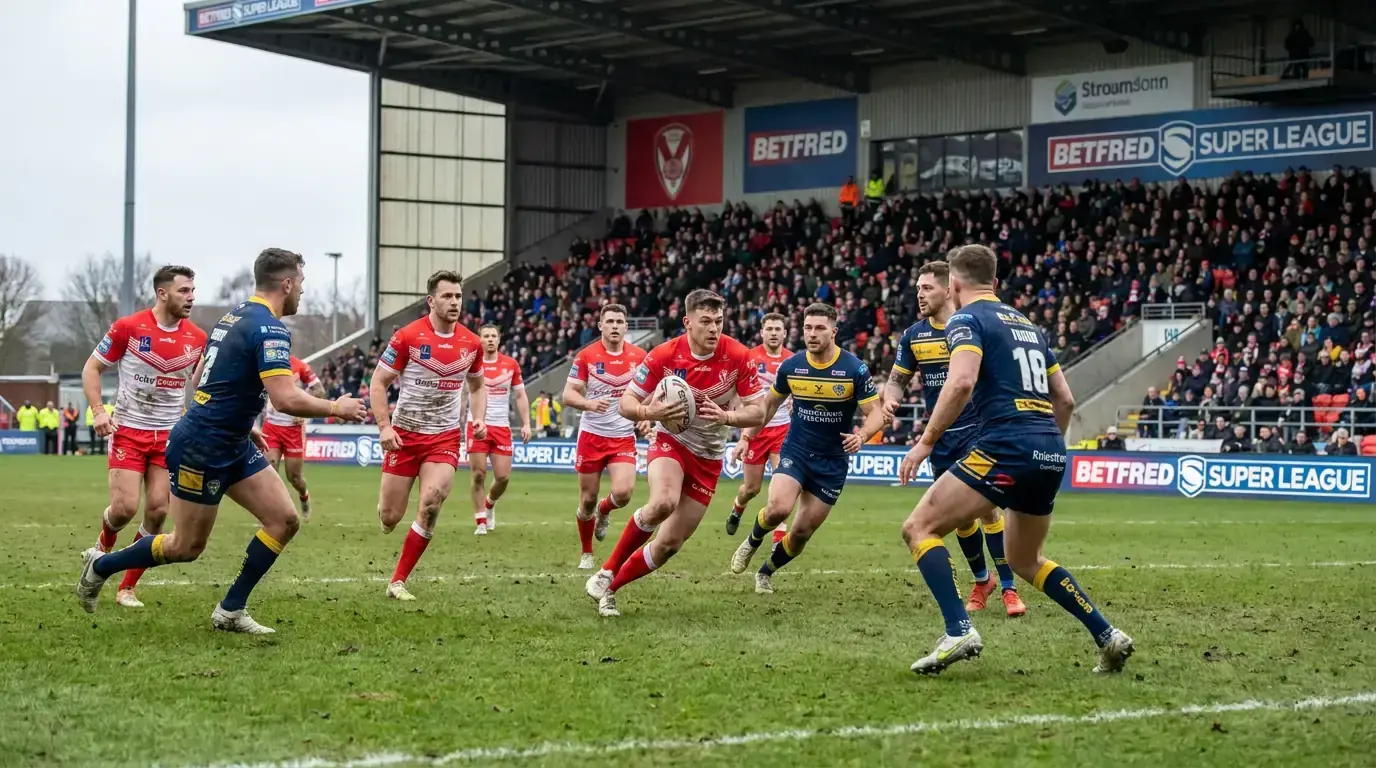
The core mechanic is possession. In rugby league, a team gets six tackles before it must hand the ball over, so play is fast, structured and territory-driven. There is no contest at the breakdown in the way union fans know it. The “ruck” in league is really a play-the-ball, a quick reset, which keeps the game moving and the ball in hand. Union, by contrast, fights for every metre: the ruck and maul are genuine contests, the scrum is a set-piece weapon, and the lineout offers a restart that league simply does not have.
This matters because possession turnover and field position drive scoring patterns, and scoring patterns are what your bet ultimately rides on. Union’s set-pieces create kickable penalties and territorial kicking battles, which is why a tight international can end 19-13 with barely a try in sight. League’s six-tackle structure pushes teams to score tries rather than grind for penalties, because there is far less reward for camping in the opposition half. The codes reward different things, and a punter who grasps that is already ahead of the field reading a coupon at face value.
Scoring values rewrite the totals market
I once watched a newcomer back the over on a league game using a union total in his head, and he lost before half-time because he had no idea a converted try in league is worth less than in union. The scoring tables are not the same, and that single fact reshapes the entire over/under market.
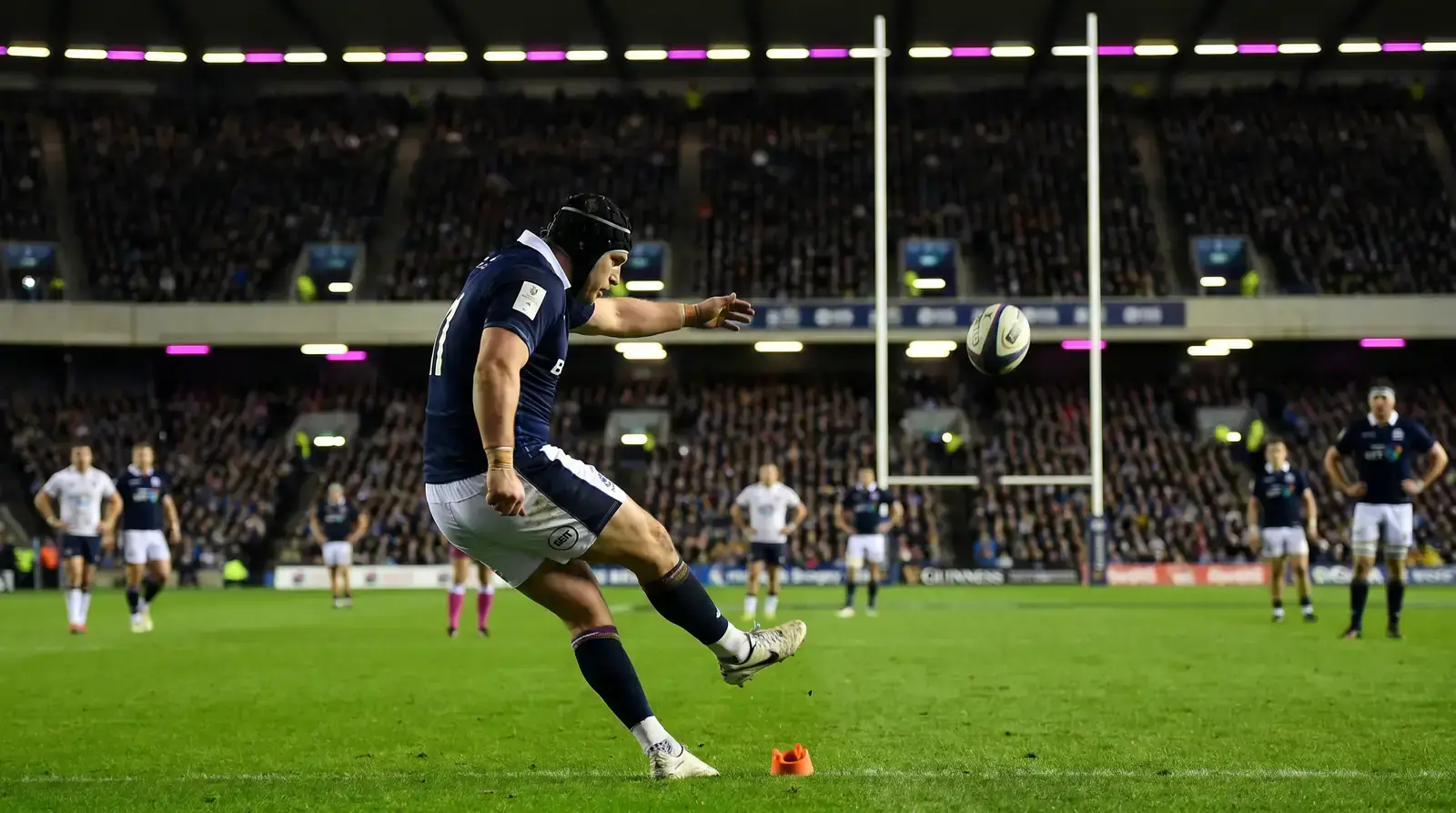
In union a try is five points, a conversion two, a penalty three and a drop goal three. In league a try is four points, a goal (conversion or penalty) two, and a drop goal a single point. Fewer points per try, but far more tries, because the six-tackle structure manufactures attacking opportunities at a pace union rarely matches. The net effect is that league games tend to produce higher and more consistent point totals, while union swings from a 9-6 arm-wrestle to a 40-point romp depending on conditions and opposition.
For the totals line that has real consequences. League over/under markets sit higher and behave more predictably, because the scoring is volume-driven and less dependent on a single kicker having an off day. Union totals are spikier; a wet evening at a Premiership ground can drag a line down by ten points because the kicking game takes over and tries dry up. Roughly 60% of all rugby bets land on match outcome and margin rather than exotic markets, which tells you most punters never think this far into the scoring mechanics, and that is exactly where an edge hides. Read the points table before you read the line, because the same number means two different things in two different codes.
League and union do not offer the same coupon
Pull up a union international and a Super League fixture side by side on any UK sportsbook and the union page is simply longer. That is not favouritism; it is liquidity following audience, and audience following money.

Football remains the runaway leader in Britain, generating around £1.1 billion in gross gambling yield and attracting close to 5.8% of the population, while both rugby codes hold steady but smaller demand. Within that rugby slice, union carries the heavier book. Six Nations and Premiership fixtures attract deeper markets, more in-play options and tighter prices because more punters are staking on them, and operators reward volume with variety. You will find handicap, winning margin, total points, first try scorer, half-time/full-time, bet builders and a wall of player props on a marquee union game.
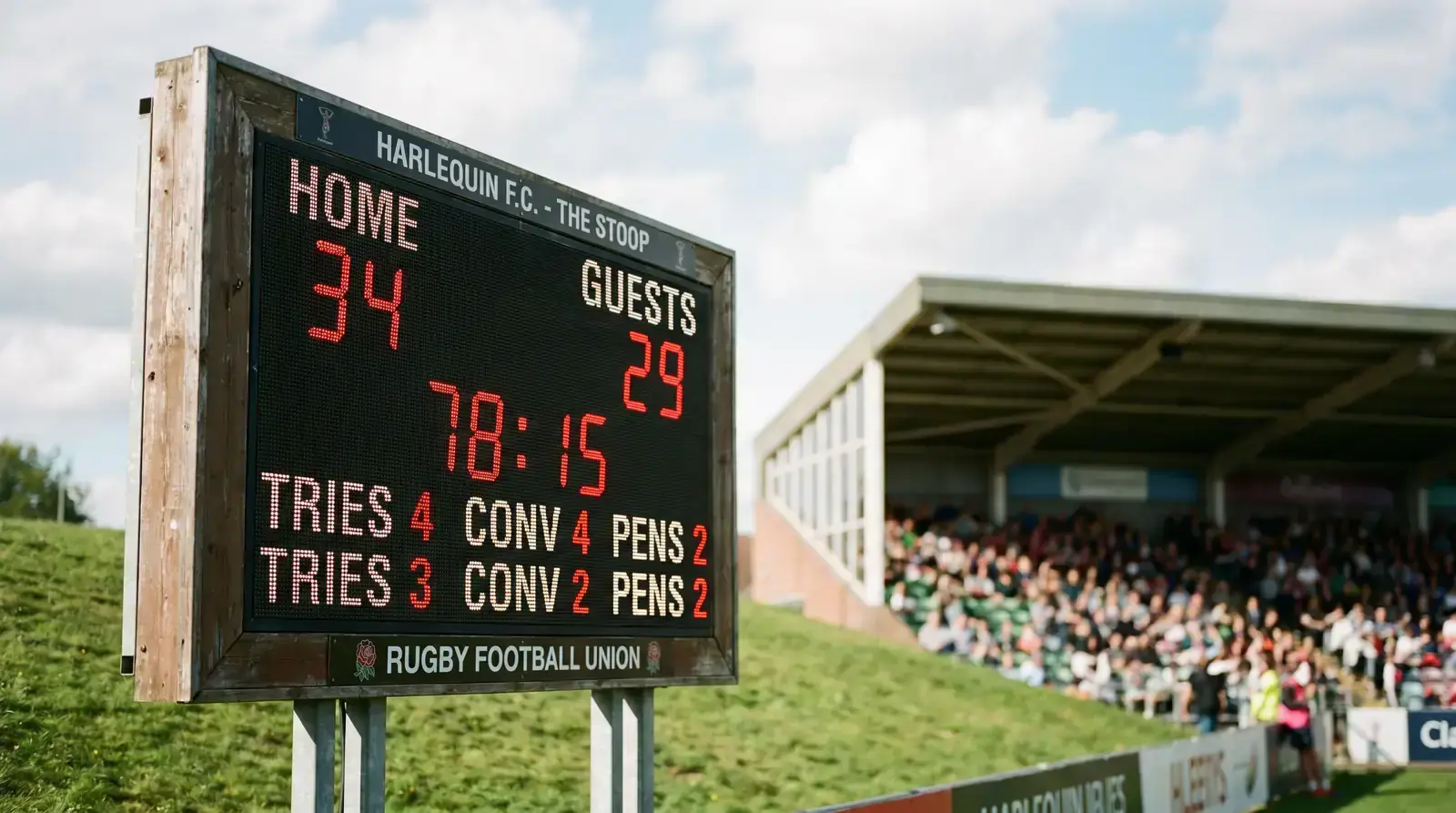
Rugby league markets are leaner. You will still get the staples, match result, handicap, totals and try scorer, but the depth of niche and in-play options is thinner outside the Grand Final and big Challenge Cup ties. That is not a weakness for a sharp punter; thinner markets can mean softer lines that the bookmaker has not sweated over as hard. The flip side is lower liquidity, which means stake limits arrive sooner and prices can move quickly when even modest money lands. If you want the full picture on the league side, my breakdown of how Super League markets are structured goes deeper into where those prices come from.
Choosing the code that suits how you bet
People always ask which code is “better” to bet on, and it is the wrong question. The right one is which code fits the way you actually think about a match.

If you like grinding through form, weather, set-piece dominance and territorial kicking, union rewards patience. The margins are finer, the favourites more reliable, and the handicap market is where the genuine value tends to sit because pricing the gap between two well-matched international sides is genuinely hard. Union also gives you the tournament rhythm, Six Nations, autumn tests, Premiership run-ins, that lets you build knowledge over a season rather than guessing cold.
League suits punters who trust pace and volume. Higher, steadier totals make over/under a cleaner market, golden point creates late drama that swings in-play prices, and the compressed Super League season keeps form fresh and readable. I lean union for outrights and handicaps and league for totals and live betting, and I never assume a model built for one transfers cleanly to the other. The codes share a heritage and almost nothing else once money is on the line, so price each on its own terms and you will stop leaking stakes to the gap between them.
