


The most satisfying bet I land all season is often the smallest: correctly calling that the first points of a tight international will come from a penalty rather than a try. Method of scoring betting asks not who scores but how, and it rewards a punter who reads the texture of a match, its tactical shape, its conditions, its referee, rather than just its likely winner. It is a niche corner of the rugby coupon, but a genuinely analysable one for anyone who understands why teams score the way they do.
These markets price the type of scoring play rather than the team or the player: will the next score, or the first score, be a try, a penalty, a conversion or a drop goal? Each scoring method carries a different probability depending on the game situation, which is what makes the market readable rather than random. Unlike try-scorer betting, which asks which player crosses the line, method of scoring asks what kind of points arrive, and that shift in focus opens up a different and rewarding way to bet a match you understand.
What the scoring-method markets cover
Method of scoring markets bet on the type of points scored rather than the scorer or the result, pricing tries, penalties, conversions and drop goals as the possible outcomes. Understanding the menu of markets is the first step to betting them well.
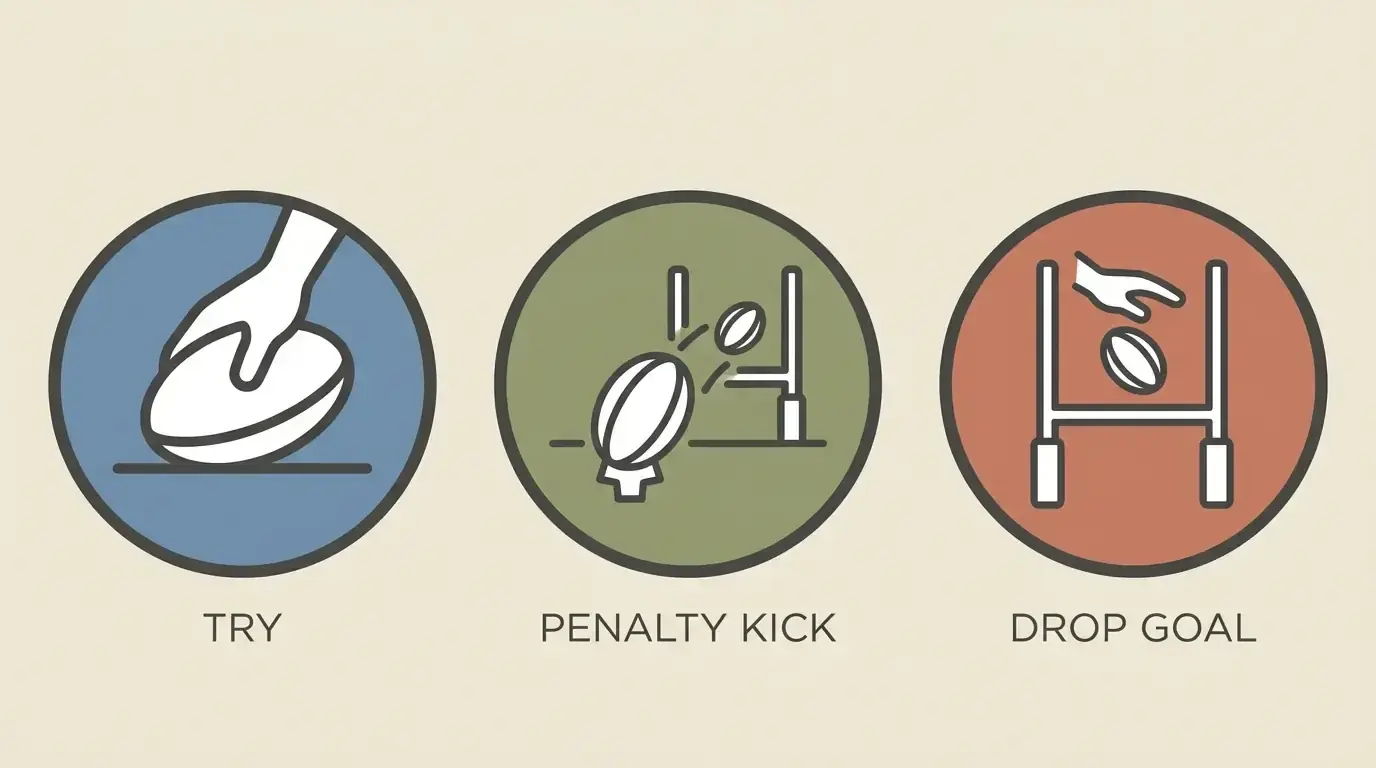
The markets come in a few forms. The most common asks for the method of the first score of the match, will the opening points be a try, a penalty goal, or, more rarely, a drop goal, with conversions usually grouped with the try that precedes them. Others price the method of the next score during in-play betting, resetting after each scoring play, or the method of the last score. Some operators offer related specials such as whether a drop goal will be scored in the match at all, or the method of a particular team’s first score. The unifying idea across all of them is that you are betting on how points arrive rather than on the broader question of who wins or who scores them.
What makes these markets analysable is that the different scoring methods carry genuinely different and situation-dependent probabilities. A try is the most common way to score in most matches and so is usually the favourite in a first-method market, a penalty is the second most likely and becomes more probable in tight, territorial, heavily refereed contests, and a drop goal is rare and so always a long shot. With match outcome and margin attracting around 60% of all rugby bets, method of scoring sits well outside the mainstream, which means the markets attract less attention and can be priced less sharply, leaving room for a punter who reads scoring patterns to find an edge the crowd is not competing for.
Betting the first scoring play
The first scoring play market is the most popular method-of-scoring bet, and it rewards a punter who can read how a particular match is likely to open. Predicting the method of the first score is an exercise in reading tactical intent and game situation.
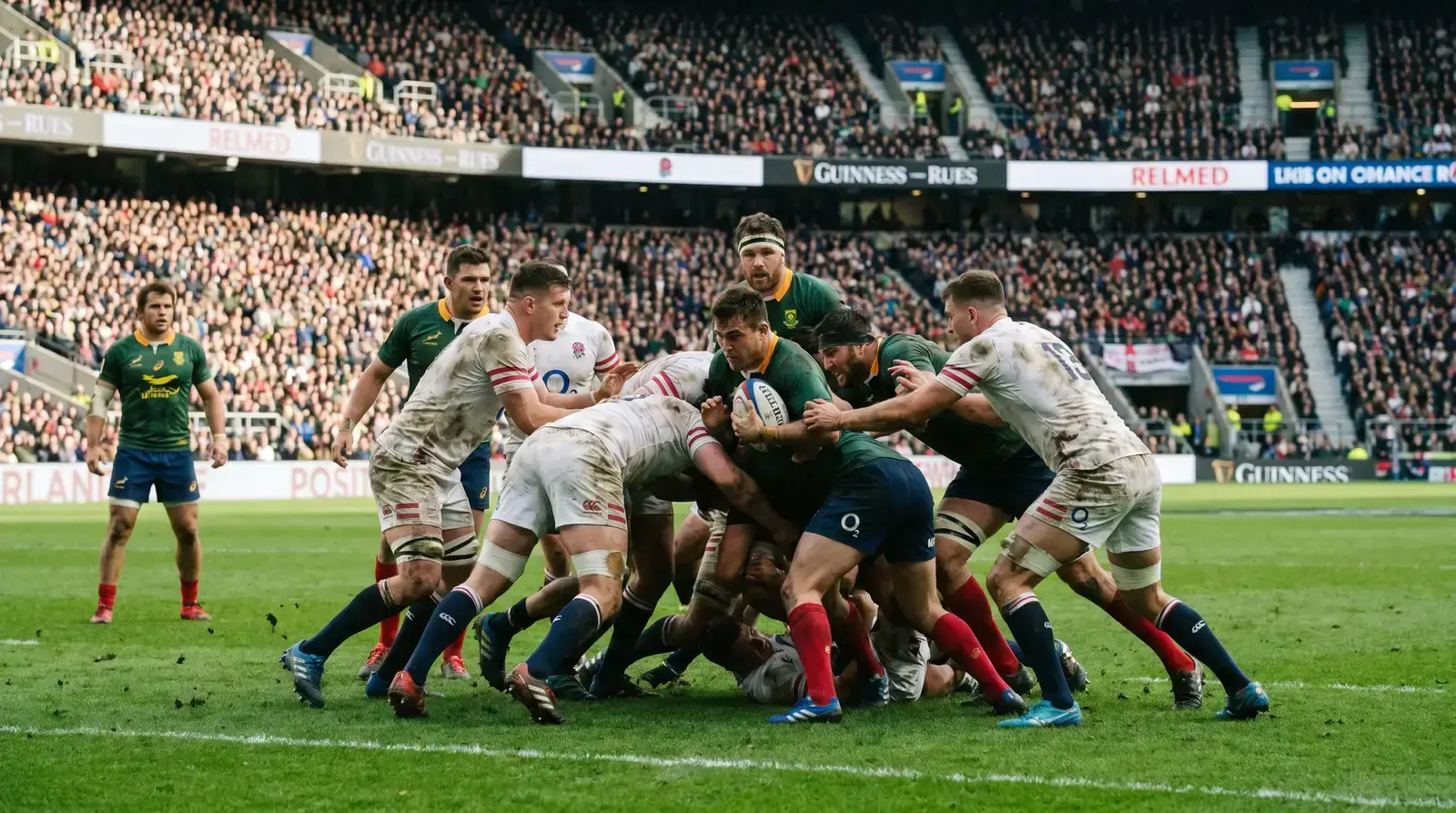
The first score’s method depends heavily on the kind of match expected. In an open, attacking game between two ambitious sides on a dry pitch, the first points are more likely to be a try, because both teams will look to play with width and tempo from the start. In a cagey, territorial contest between two pragmatic sides, or in poor weather, the first score is more likely to be a penalty, because teams kick for territory, force errors and take the points on offer rather than risk an early attacking move. The referee matters too: an official who polices the breakdown strictly produces more early penalties, raising the chance of a penalty opening the scoring, while a more lenient referee lets play flow towards tries. Reading these factors lets a punter form a genuine view on the first method rather than guessing.
The pricing of the first-method market reflects the base rates, with the try usually favourite, the penalty second and the drop goal a distant long shot, but the value lies in matches where the situation skews the probabilities away from those defaults. A tight, low-scoring international expected to be a kicking battle makes the penalty more likely than its standard price implies, offering value on the penalty as the first method. Conversely, a mismatch where a strong attacking side is expected to run riot makes the try even more likely than usual, though the short price may leave little value. I bet the first scoring play by identifying matches where the expected tactical shape, the conditions and the referee all point towards one method being more probable than the base-rate pricing assumes, which is where the readable edge in this market genuinely sits.
The factors that move the pricing
The price of a method-of-scoring market is driven by a specific set of factors, and understanding them is what lets a punter judge whether a posted price is fair or skewed. These markets are precisely tailored to the situation of each match.
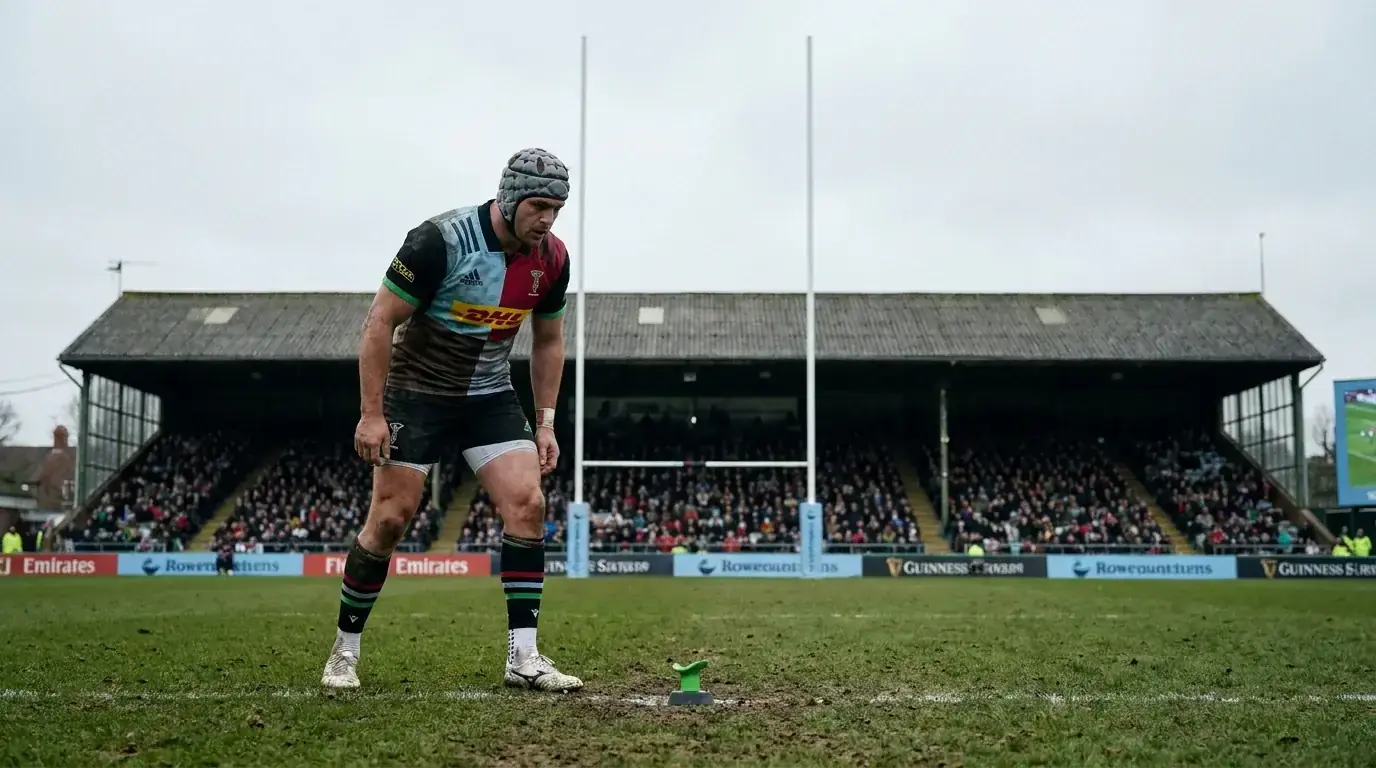
As one industry voice noted, betting products have become even more precisely adapted to the needs of users in specific markets, and the method-of-scoring markets are a good example of that granular tailoring, pricing each match’s scoring tendencies individually rather than applying a blanket assumption. The factors that move the pricing are the same ones that shape how a match is played. Weather is foremost: wet, windy conditions suppress try-scoring and push teams towards a kicking game, raising the probability of penalties and lowering that of tries, so a forecast of rain skews the first-method and next-method markets towards the penalty. Tactical style is next: two expansive attacking sides lift the try probability, while two forward-dominated, territorial teams raise the penalty probability. The strength mismatch matters too, because a dominant favourite is more likely to score tries through sustained pressure, while two evenly matched sides may trade penalties in a tight arm-wrestle.
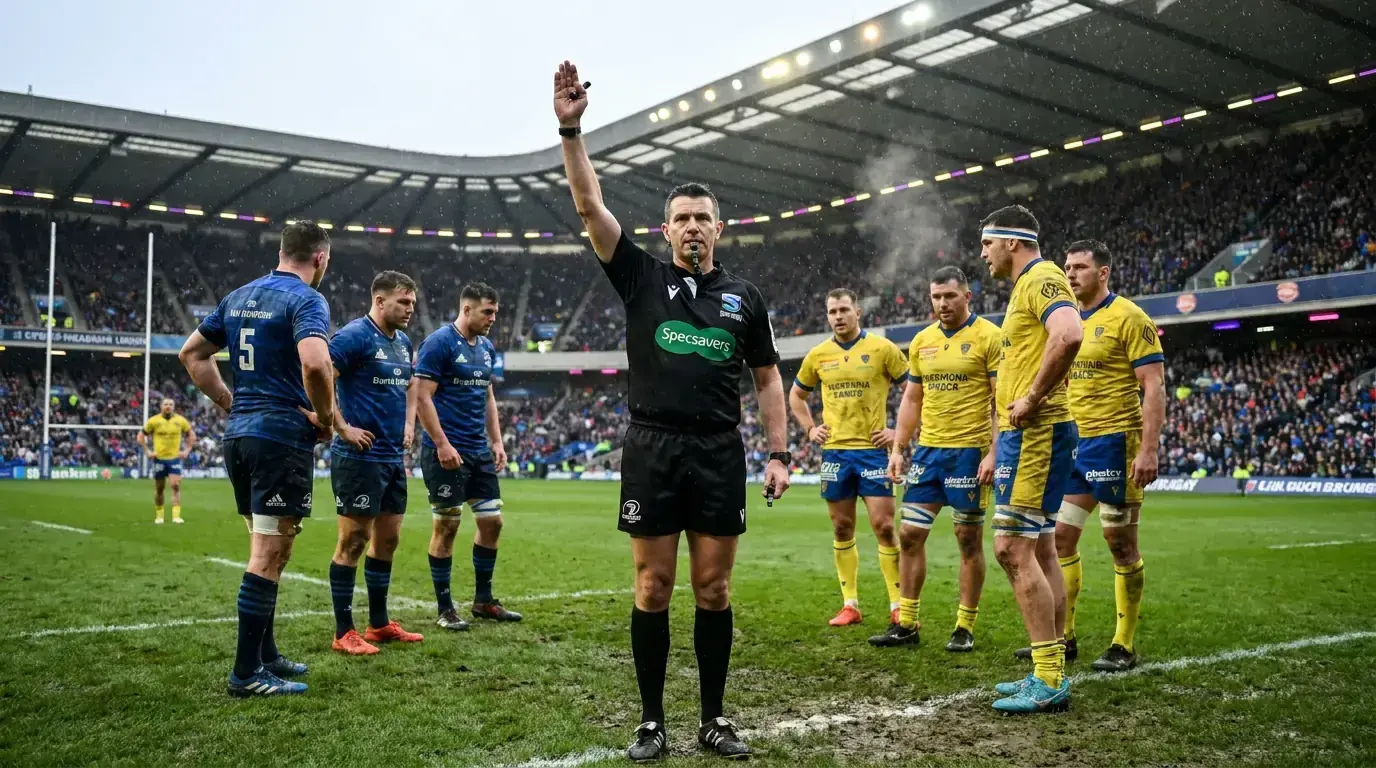
The referee is the factor casual punters most often overlook, and it can meaningfully shift the pricing. An official known for strict breakdown policing creates more kickable penalties and therefore more penalty-scoring opportunities, raising the chance of penalties featuring as scoring methods, while a referee who lets the game flow favours tries. The stage of the match and the score situation also matter for next-method and last-method markets, as a team chasing the game late may force attacking play and tries, or take a drop goal to snatch a win in a tight finish. I price method-of-scoring markets by weighing weather, tactical style, the strength gap and the referee together, then comparing my read to the posted price, because these markets reward the punter who understands the specific texture of a match rather than its likely result alone.
Putting method-of-scoring bets to work
Method of scoring is a specialist market that rewards genuine rugby insight, and using it well means picking the spots where your reading of a match gives a real edge over the base-rate pricing. It is a market for the attentive watcher rather than the casual punter.

Rugby generated around $8.26 billion in betting turnover in 2025, roughly 5% of the global market, and within that the method-of-scoring markets are a small, specialist slice that attracts less money and less attention than the mainstream result and margin bets. That relative obscurity is the opportunity, because markets the crowd ignores are priced less aggressively, leaving room for a knowledgeable punter to exploit situations the base-rate odds do not fully capture. My approach is to bet method of scoring only when I have a clear situational read, a likely kicking battle that favours the penalty, an attacking mismatch that favours the try, a tight finish that raises the drop-goal chance, rather than betting it on every match for the sake of action.
The drop goal deserves a final word, because it is the market’s most distinctive bet. A drop goal is a rare scoring method, so it is always priced as a long shot, whether as the first method, the next method, or simply to occur in the match at all. That long price can tempt a punter, but the rarity is real, and drop goals cluster in specific situations: tight, low-scoring matches where a team needs three points and lacks a clear try-scoring route, or the closing stages of a close game where a side sets up a drop-goal attempt to win it. Betting the drop goal makes sense only when the match profile genuinely suits it, a cagey contest likely to be decided by fine margins, rather than as a speculative long-odds flutter on any fixture. Method of scoring rewards the punter who reads how a match will be played and bets the scoring method that situation favours, and the drop goal, like the rest of the market, pays best when the bet reflects a genuine reading of the game rather than a hopeful punt on a long price. For the related market that bets on which player crosses the line rather than how the points are scored, my guide to how the rugby try scorer market works covers betting on the scorer rather than the method.
