


The best bet I ever placed was struck four months before the trophy was lifted, on a side the market had not yet woken up to. That is the quiet power of futures betting: you are not pricing a single match, you are pricing a whole season, and the further out you look, the more the bookmaker is guessing alongside you. Outright and ante-post markets are where patient punters do their most profitable work, because time is the one variable nobody can model perfectly.
A futures bet is a wager on a season-long outcome, the tournament winner, the top of the table, the side to reach a final, placed before the result is decided and often long before it. The price moves as the season unfolds, and learning how and why it moves is the whole discipline. Unlike a match bet that settles in eighty minutes, a futures position lives for weeks or months, which creates both the value and the headaches that make this market its own craft.
What a futures bet actually is
A futures bet stakes money on something that will not be settled for a long time, and that lag from stake to settlement is what separates it from everything else on the coupon. Where a match market resolves the same afternoon, a futures bet on a tournament winner stays open across an entire competition.
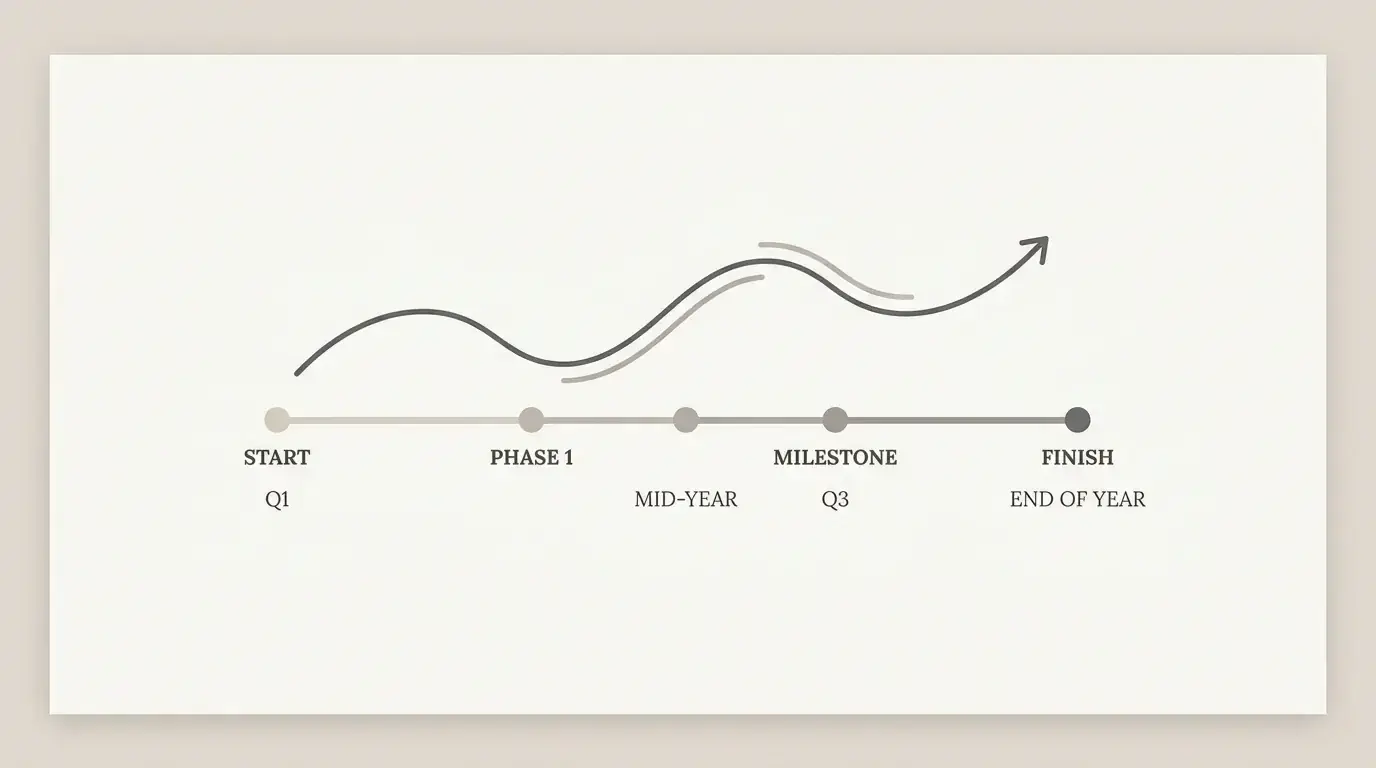
The terms cluster around the same idea. “Outright” betting means backing a team to win a whole tournament rather than a single game. “Ante-post” is the traditional British term for prices offered well in advance, often before the field is even finalised, carrying the longest odds and the most uncertainty. A “futures price” is simply the current odds on a long-range outcome, and it changes constantly as results come in and money moves. You might back a side to win the championship, to reach the final, to finish top of its conference, or to be relegated, all of which are futures in the sense that they depend on a body of matches rather than one.
The appeal is leverage on knowledge. If you understand a competition deeply, the squad depth, the fixture quirks, the way a team tends to build through a season, you can take a price before the wider market catches up to what you already see. The cost is commitment: your stake is tied up for the duration, you cannot easily react to early results unless the market lets you trade out, and a long-term injury or a shock result can sink a position you placed in good faith months earlier. Futures reward foresight and punish impatience, which is precisely why they suit punters who think in seasons rather than Saturdays.
Why the price keeps moving
A futures price is a living number, redrawn after every round as results, money and news reshape the probabilities. Watching how it moves teaches you as much about the market as about the teams.
Three forces drive the movement. First, results: a contender that wins convincingly shortens, a stumble lengthens, and the whole market reprices around the new standings. Second, money: futures markets attract heavy support on fashionable names, and a flood of stakes on a popular side will shorten its price regardless of whether its actual chances have improved, which sometimes leaves better value on the less-backed contenders. Third, news: an injury to a key playmaker, a coaching change, or a favourable run of upcoming fixtures all feed into the odds. Because regional and domestic competitions generate more than half of all rugby betting turnover, these league futures markets are liquid enough to move sharply when significant money or news arrives.
For the punter, the lesson is that the futures price is partly an assessment and partly a popularity contest, and separating the two is where the edge lives. A side can drift to a longer price simply because the crowd has chased a rival, not because anything about its season has worsened. I watch for those mispricings, the contender whose odds lengthen despite winning, because the market’s attention is elsewhere. I also track the calendar: a team about to enter a soft run of fixtures is often underpriced before that run begins and shortens once it delivers, so getting in ahead of the easy stretch captures value the post-results price will not offer. The number moves for reasons, and reading those reasons is how you decide whether to buy now or wait.
Early prices against late certainty
The central tension in futures betting is the trade-off between value and information: the earliest prices are the most generous and the least informed, while the latest prices are the safest and the stingiest. Knowing where on that curve to strike is the whole art.
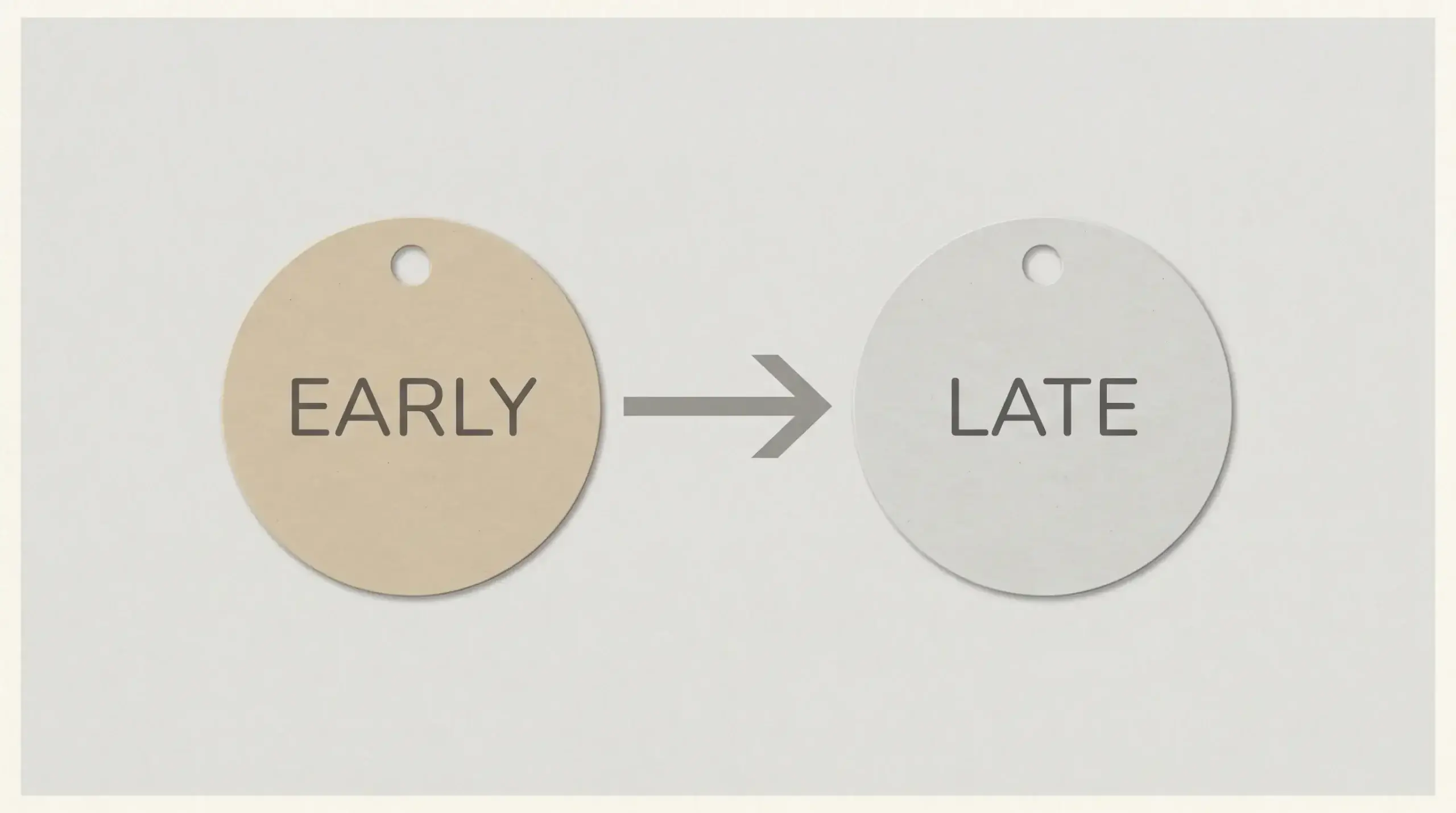
Ante-post prices, placed before a season or tournament begins, carry the most value precisely because the bookmaker is pricing in maximum uncertainty. You might get 10/1 on a contender in the pre-season market that becomes 3/1 once it wins its opening fixtures, the early price rewarding you for committing before the picture cleared. The Six Nations illustrates the pattern vividly, since the championship lifts rugby betting alongside football and horse racing as one of the most active products of the February-to-March window, and the outright prices that look generous in January collapse once the seasonal money floods in and the early rounds resolve the title picture. As one industry observation framed it, major sporting events continue to play an important role in overall betting engagement within regulated markets, and that engagement is exactly what compresses futures prices as a tournament heats up.

The flip side is risk. An early ante-post bet exposes you to a long window of things going wrong, injuries, slumps, shock results, that a late bet placed with more information avoids. My approach balances the two. I take ante-post positions only where I have a genuine informational edge, a read on squad depth or fixtures the market has not priced, and I accept the long exposure as the cost of the generous price. Where I have no special insight, I wait, because paying a shorter price for a clearer picture beats guessing early. The early market pays for foresight; the late market charges for certainty, and a disciplined punter buys whichever the situation genuinely justifies. For a worked example of how an expanding tournament reshapes these long-range prices, see my breakdown of how the 24-team World Cup format changes the futures book.
Trading out and protecting a position
A futures bet does not have to ride all the way to settlement, and learning to manage an open position is what separates a gambler from a trader. Hedging turns a long-range punt into something you can steer as the season develops.

The simplest protection is cashing out, where the operator offers to settle your futures bet early for a value based on the current price. If you backed a side at 10/1 and it has shortened to 2/1 mid-season, cashing out locks in a profit without waiting to see whether it actually wins, sacrificing some upside for certainty. Not every operator offers cash-out on every ante-post market, and the value offered builds in a margin, so it is rarely the mathematically optimal exit, but it is a clean way to bank a result when your selection has run hot. The alternative is laying off elsewhere: backing a rival, or an opposing outcome, to guarantee a return regardless of the final result, which gives finer control but requires the maths to stack up across both bets.
I treat hedging as a tool for two specific situations. The first is when a long-shot futures bet comes good and reaching the final or the title is now plausible, at which point locking in a guaranteed profit by covering the alternative outcomes can be worth surrendering some potential winnings, because a bird in the hand beats a one-in-three coin flip. The second is when news damages my position, an injury to the key player, and trading out salvages part of the stake before the price fully collapses. The discipline is to decide your exit logic when you place the bet, not in the heat of a final weekend, because emotion is a poor hedging strategist. A futures position is a season-long commitment you can choose to end early, and managing that choice well is as important as picking the right team in the first place.
